In the heart of New England, where winter’s breath can freeze a roof in its tracks, homeowners from Nashua to Salem face a silent adversary: inadequate roof ventilation. Aging Victorian homes in Concord, cozy colonials in Bedford, and updated ranches in Merrimack all share one vulnerability—moisture trapped beneath shingles, leading to costly damage and icy surprises. This article explores why proper roof ventilation matters in northern climates and how it transforms roofs from liabilities into long-term protective assets.
The Problem: Winter Woes in Northern Roofs
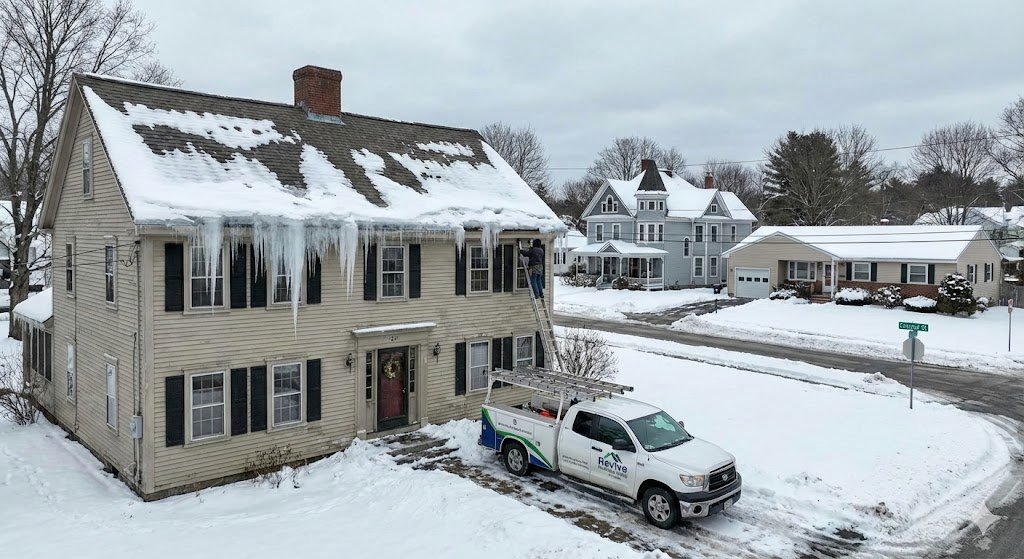
New England winters bring heavy snow, biting winds, and fluctuating temperatures. In Manchester or Londonderry, the familiar crunch of ice dams along eaves becomes a dreaded hallmark of each season. Without sufficient attic ventilation, warm indoor air rises, meets the cold roof deck, melts underlying snow, and then refreezes at the eaves. The result: ice dams that force water under shingles and into sheathing.
Homes built decades ago—often with minimal attic insulation and little thought for airflow—struggle under today’s evolving weather patterns. When moisture accumulates, mold thrives, rafters rot, and energy bills skyrocket. The problem isn’t just shingles; it’s the invisible flow of air.
The Impact: Hidden Damage and High Costs
Trapped moisture whispers through rafters, darkening insulation, warping wood, and diminishing structural strength. A subtle drip here, a warped deck there, and soon you’re facing:
- Ice dam removal expenses
- Emergency roof repairs
- Higher heating costs
- Poor indoor air quality
In Hudson or Derry, where storm damage is almost a rite of passage, these issues compound. Hidden leaks can weaken ceilings and walls, leaving homeowners unsettled and wallets lighter.
The Mechanism: How Proper Roof Ventilation Works
Like the lungs of a well-tuned athlete, a properly ventilated roof inhales cool air and exhales warm moisture. This balance preserves the integrity of every layer, from sheathing to shingles. Key elements include:
- Soffit Vents at the eaves to draw in cool air
- Ridge Vents at the roof peak to expel warm, moist air
- Attic baffles ensuring a clear air channel from soffit to ridge
- Balanced airflow rates—measured in square inches per linear foot—to match attic insulation levels
When air moves unimpeded, it carries moisture out before it condenses. In the coldest nights, the roof deck stays closer to ambient temperatures, preventing that dangerous melt–freeze cycle. Predictable airflow equates to predictable protection.
The Benefits: Stability, Savings, and Serenity
Proper attic ventilation does more than prevent ice dams. It delivers tangible advantages:
- Reduced risk of mold and rot
- Lower heating and cooling bills
- Extended lifespan of shingles and underlayment
- Improved indoor air quality
- Compliance with local roofing codes in Massachusetts and New Hampshire
Contrast the tension of dripping ceilings with the calm of a well-ventilated attic. Imagine a roof that breathes quietly, year after year, without emergency calls or surprise bills.
The Outcome: A Roof That Breathes and Protects
Transformation begins under the shingles. By combining vintage character with modern ventilation solutions, homeowners in Bedford and Concord achieve:
Security in every storm. Predictability in every season.
Durability that respects the past and safeguards the future.
An atmosphere where old-world exteriors meet new-world performance. That’s the promise of proper roof ventilation—a simple mechanism with powerful results.
Frequently Asked Questions
How much attic ventilation do I need for my home in Manchester?
Industry guidelines recommend one square foot of ventilation (balanced between intake and exhaust) for every 150 square feet of attic floor space. In colder climates like Manchester, aim for a balanced ratio of soffit vents to ridge vents to maintain consistent airflow.
Can I install ventilation myself, or should I hire a professional?
While homeowners can add basic soffit vents, a full assessment—measuring existing vents, insulation levels, and attic obstructions—requires professional expertise. In Nashua and Salem, trusted contractors use tools like anemometers and thermal cameras to design optimal systems.
Will improved ventilation help with ice dam prevention?
Absolutely. By keeping the roof deck close to outdoor temperatures, proper ventilation stops localized melting that leads to ice dams. Combined with adequate insulation, it reduces the risk of wintertime water backups.
Are there local building codes in Merrimack and Londonderry affecting ventilation?
Both New Hampshire and Massachusetts have codes mandating minimum ventilation rates. In Merrimack and Londonderry, permits may be required for adding ridge vents or modifying roof structures. Always verify with your local building department before starting work.
What’s the lifespan of a ventilation system?
With quality components—aluminum ridge vents, durable plastic soffit vents—and proper installation, a ventilation system can last as long as your roofing material, often 20–30 years. Routine inspections in Derry and Hudson help catch blockages or damage early.
For homeowners in New Hampshire or Massachusetts looking to maintain a safe and reliable home exterior, the team at Revive Roofing & Siding remains available for guidance, inspections, and detailed evaluations.
Website: reviveroofingandsidingllc.com
Email: reviveroofingandsidingnh@gmail.com
Phone: +1 (603) 560-5309