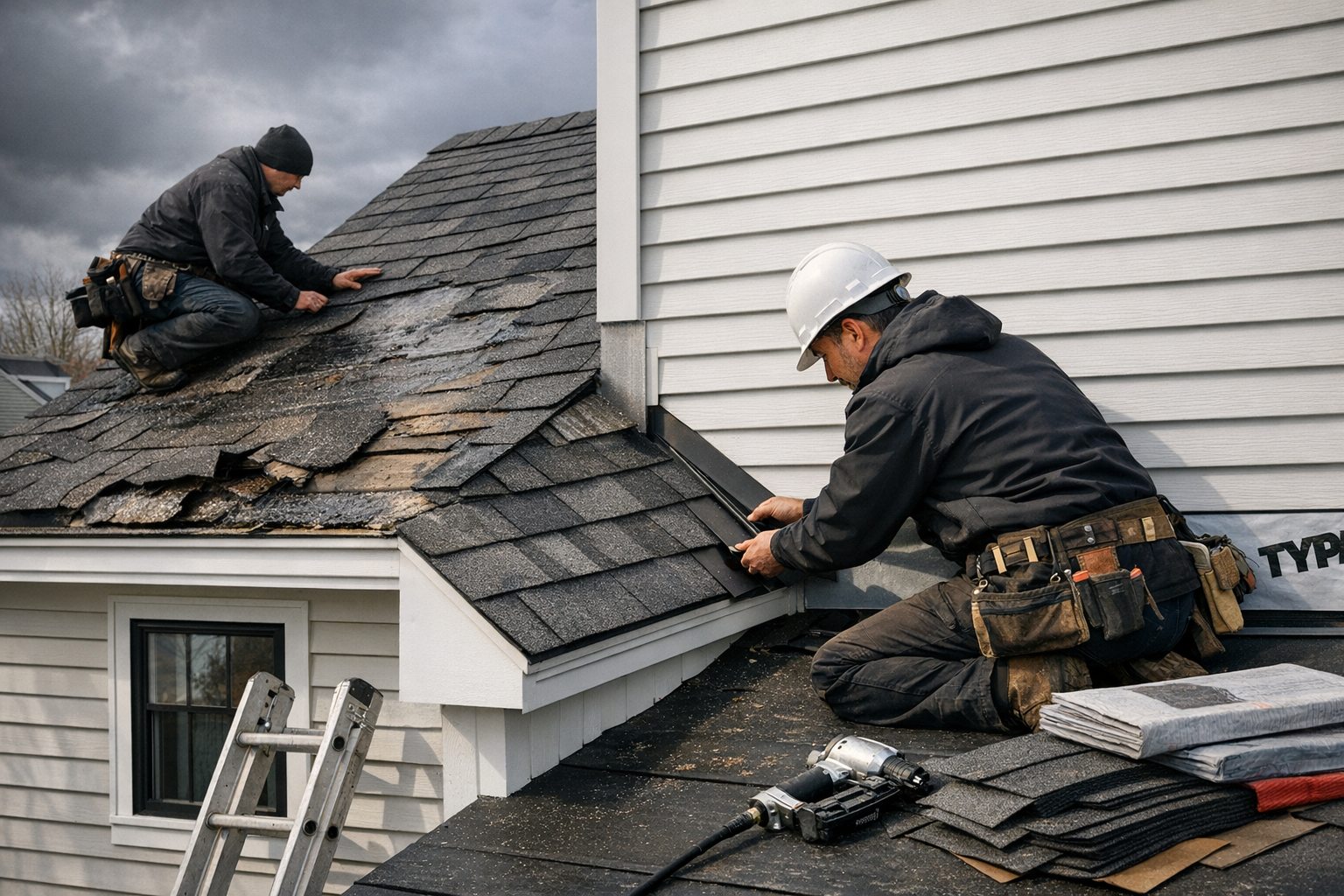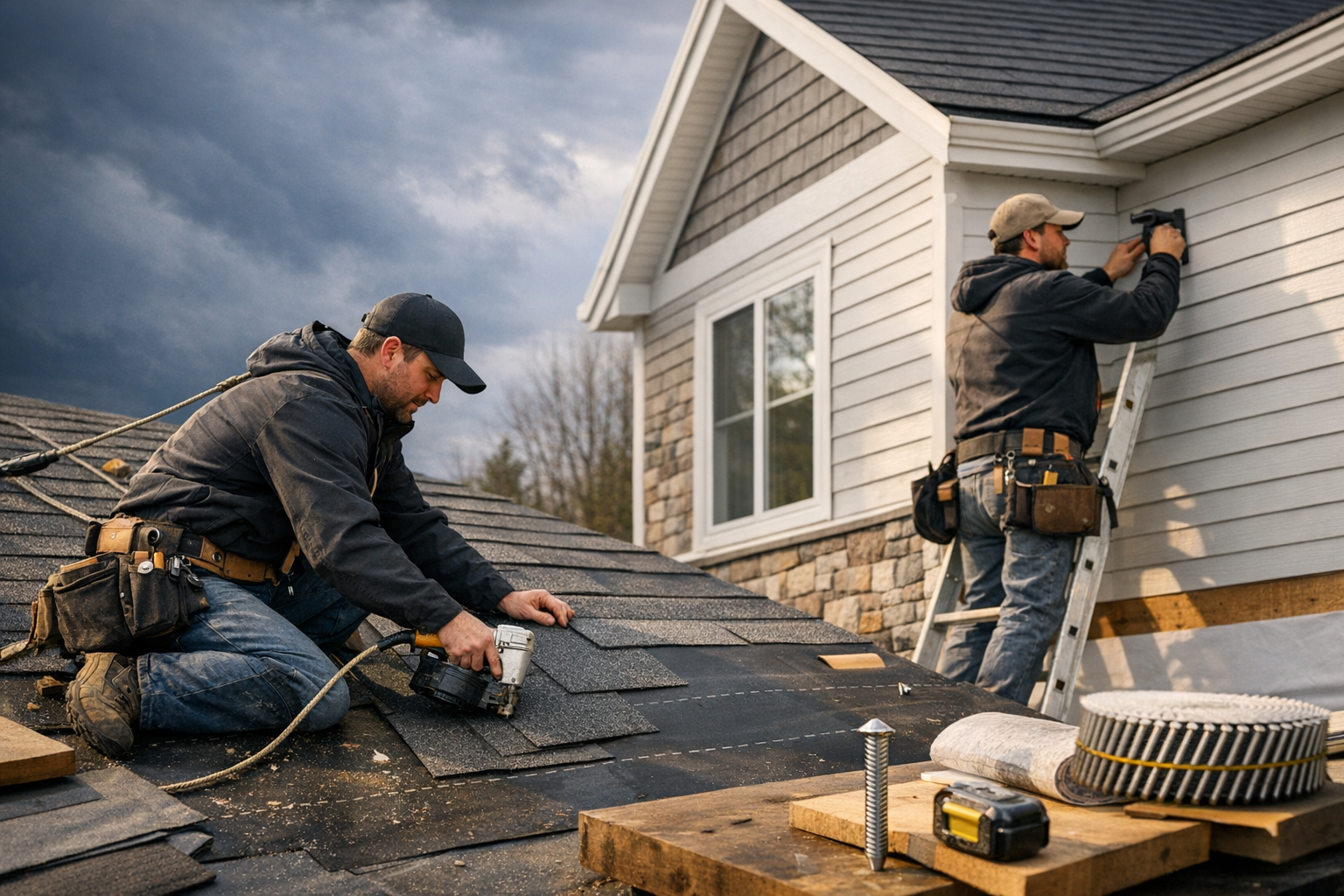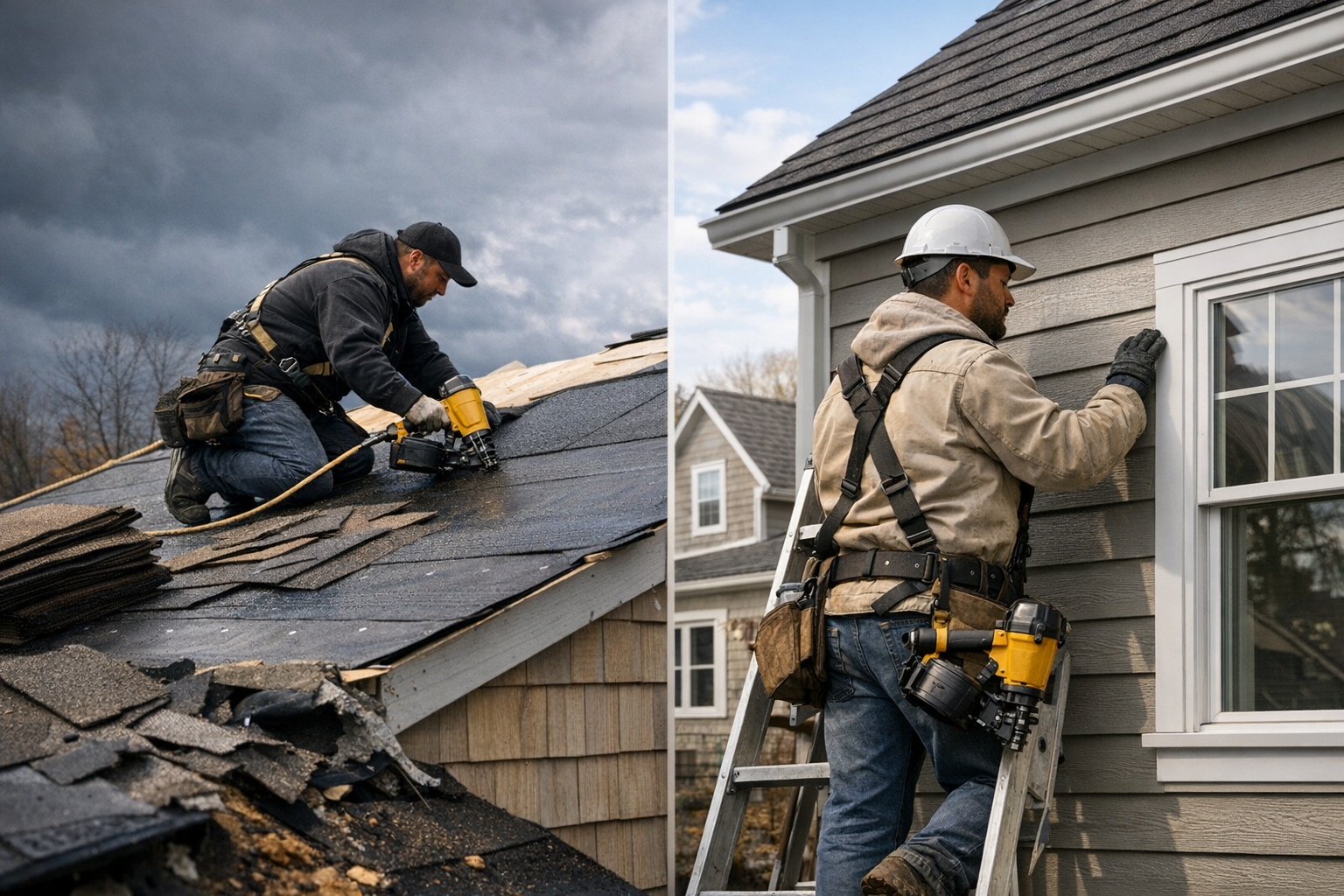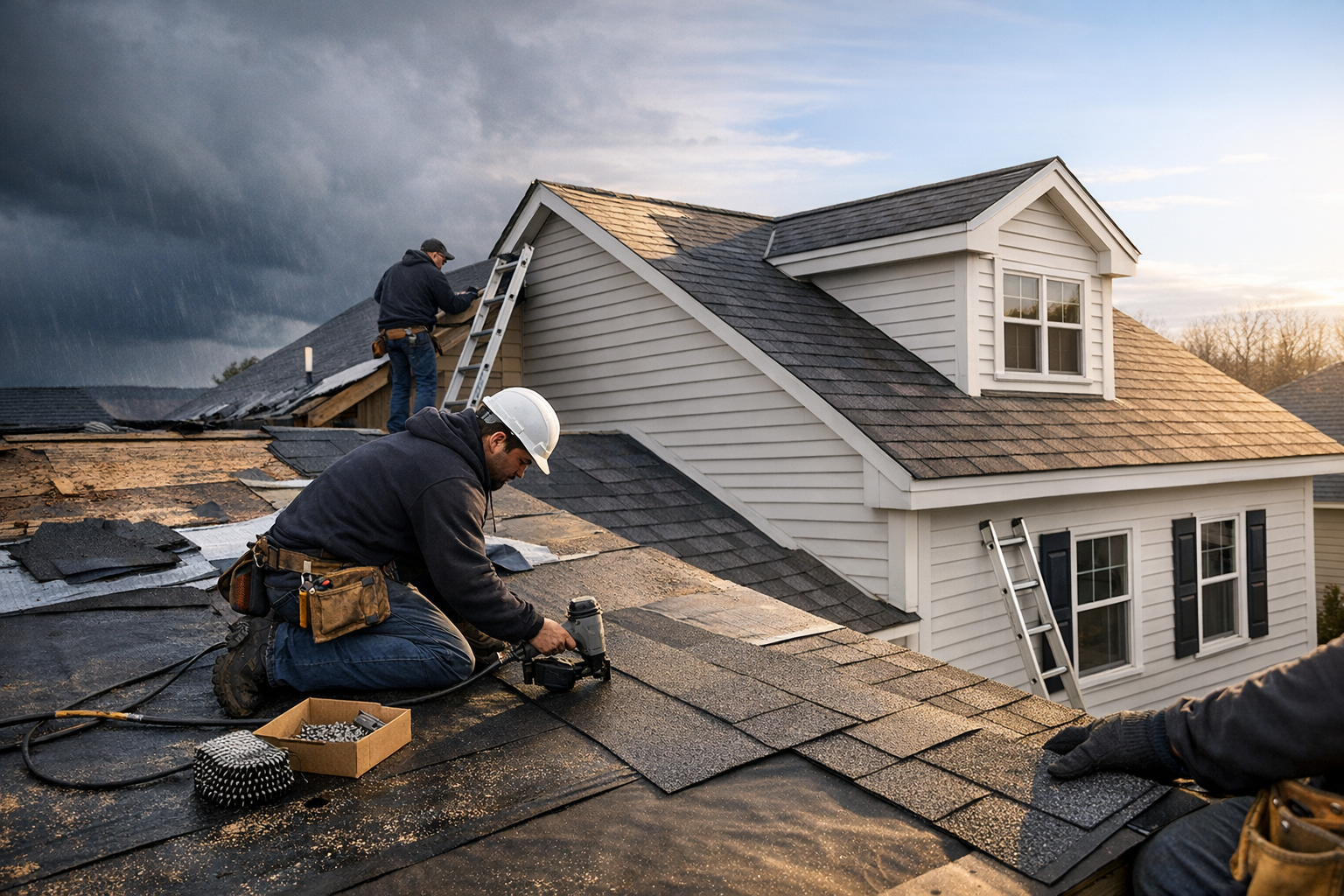

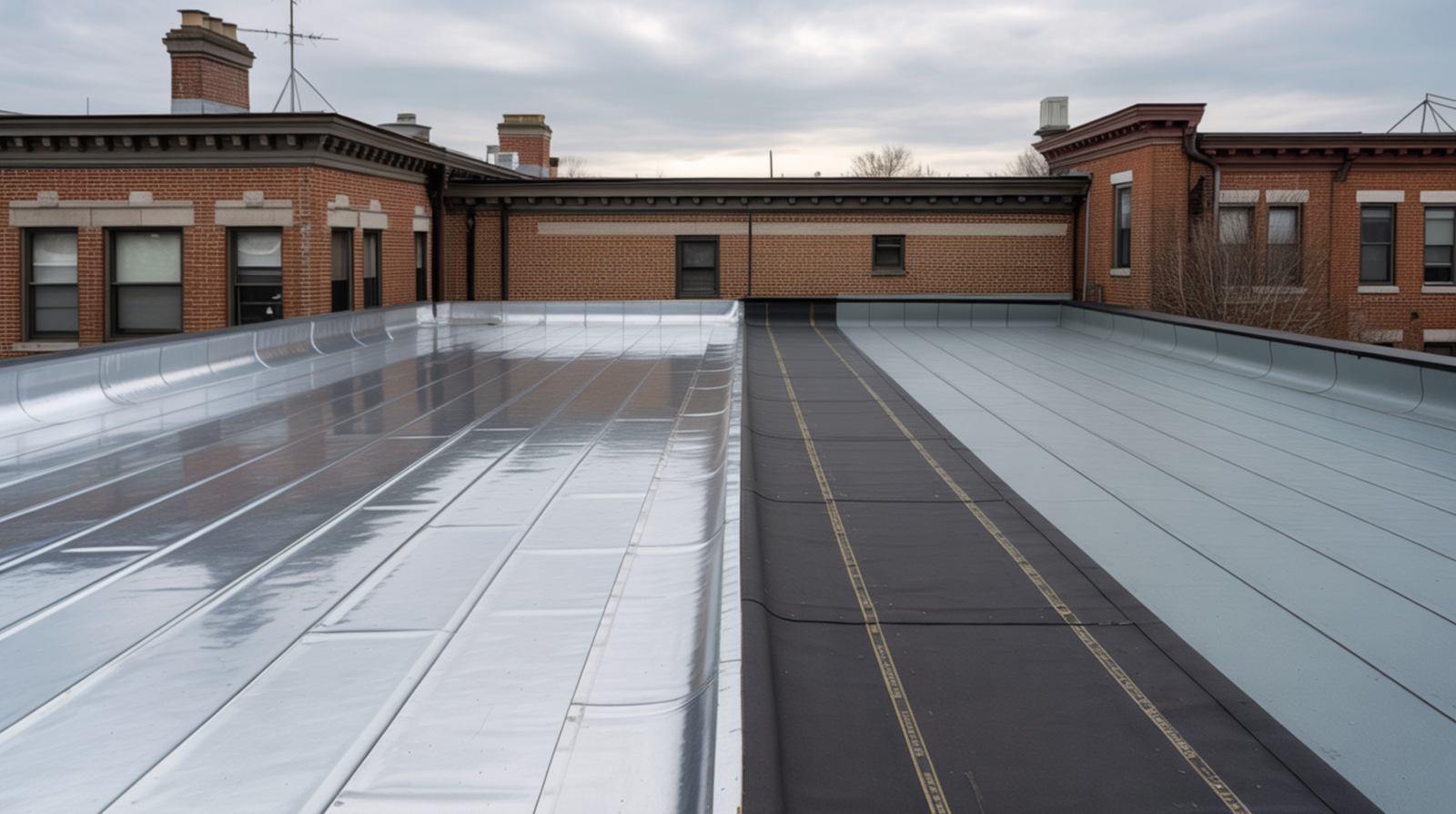
In a landscape where winter storms hammer rooftops and spring rains pool on flat surfaces, homeowners in Nashua, Manchester, and beyond face a choice that will shape the safety and efficiency of their homes: selecting the right flat roof system. Between TPO, EPDM, and PVC, each membrane tells a different story—but which armor holds firm against New England’s tests? This comparison will guide you from problem to solution, with evidence, authority, and the calm certainty that comes from experience.
Problem: Roof Membranes Under New England’s Pressure
When icy winds slice through Bedford’s neighborhoods, when sleet pounds Merrimack’s storefronts, and when spring’s thaw leaves puddles on a Londonderry rooftop, flat roofs reveal their vulnerabilities. Ponding water, freeze-thaw cycles, UV exposure, building codes—each factor chips away at an aging membrane. And in Hudson or Derry, where architectural styles vary from mid-century modern to colonial, mismatched materials and installation shortcuts can accelerate wear.
Impact: From Leaks to Escalating Costs
Left unchecked, a compromised membrane invites more than a drip in the ceiling. Mold spores gather in insulation. Interior finishes peel away. Energy bills climb as insulation value (R-value) drops. And suddenly, a homeowner in Salem faces emergency repairs—and insurance hassles. Emotional tension tightens with each raindrop, each frost heave. Predictability slips away, replaced by uncertainty and mounting expense.
Mechanism: TPO, EPDM, PVC Unveiled
TPO (Thermoplastic Polyolefin)
TPO membranes marry heat-welded seams with high reflectivity. In Concord, where summer sun can scorch a dark roof, TPO’s white surface reflects up to 80% of UV rays, cutting cooling loads. Typical thicknesses range from 45 mil to 80 mil. Seam strength often exceeds 350 psi. Yet, quality hinges on installation: a skilled welder is the unseen hero.
EPDM (Ethylene Propylene Diene Monomer)
EPDM arrives in black rolls, 45 mil to 90 mil thick, prized for simplicity and proven durability. It bends without cracking at –40°F. It resists ozone, resists hail. Seams rely on specialized adhesives or tapes, demanding careful prep and regular inspection. EPDM’s low initial cost masks the need for routine maintenance, but its lifespan—up to 30 years—speaks volumes.
PVC (Polyvinyl Chloride)
PVC membranes offer chemical resistance that outperforms many competitors. Plasticizers ensure flexibility; seams fuse under heat to create watertight bonds. PVC weathers ponding water, grease, and pollutants common around commercial kitchens or urban roofs. Expect 60 mil to 80 mil thickness, weld strengths near 300 psi, and a service life of 25–30 years—provided the membrane remains free of plasticizer migration.
Benefits: Choosing with Confidence
Contrast reveals clarity. TPO brings energy savings. EPDM delivers proven resilience. PVC offers chemical defense. Across Nashua and Manchester, contractors weigh installation cost against maintenance schedule, wind uplift ratings, and local building codes. Homeowners see the transformation: a roof that behaves—steady under sleet, quiet beneath sun, predictable through decades.
Outcome: A Roof Built for New England
From problem to impact, from mechanism to benefits, a clear path emerges. Your flat roof becomes more than a cover; it becomes a guardian. It stands guard through January blizzards and July sunstorms. It secures interior comfort. It protects architectural integrity. It honors your investment.
Frequently Asked Questions
Which membrane lasts longest in Salem’s freeze-thaw cycles?
EPDM, especially in 90 mil thickness, exhibits exceptional flexibility at low temperatures and resists cracking. Properly installed and maintained, it can exceed 30 years, making it a reliable choice for regions with severe winters.
What is the average installation cost for TPO, EPDM, and PVC in Concord?
Installation costs vary by membrane thickness, roof complexity, and contractor rates. On average:
– EPDM: $5.50–$8.00 per sq. ft.
– TPO: $6.00–$9.00 per sq. ft.
– PVC: $7.00–$10.00 per sq. ft.
These figures include membrane, insulation, and labor—though local conditions in Concord and surrounding areas may influence final quotes.
How often should I schedule maintenance inspections in Bedford?
A biannual inspection—in spring and fall—ensures seam integrity, checks for ponding water, and identifies surface wear before minor issues become major repairs. After severe storms, a quick check can catch debris or membrane damage early.
For homeowners in New Hampshire or Massachusetts looking to maintain a safe and reliable home exterior, the team at Revive Roofing & Siding remains available for guidance, inspections, and detailed evaluations.
Website: reviveroofingandsidingllc.com
Email: reviveroofingandsidingnh@gmail.com
Phone: +1 (603) 560-5309