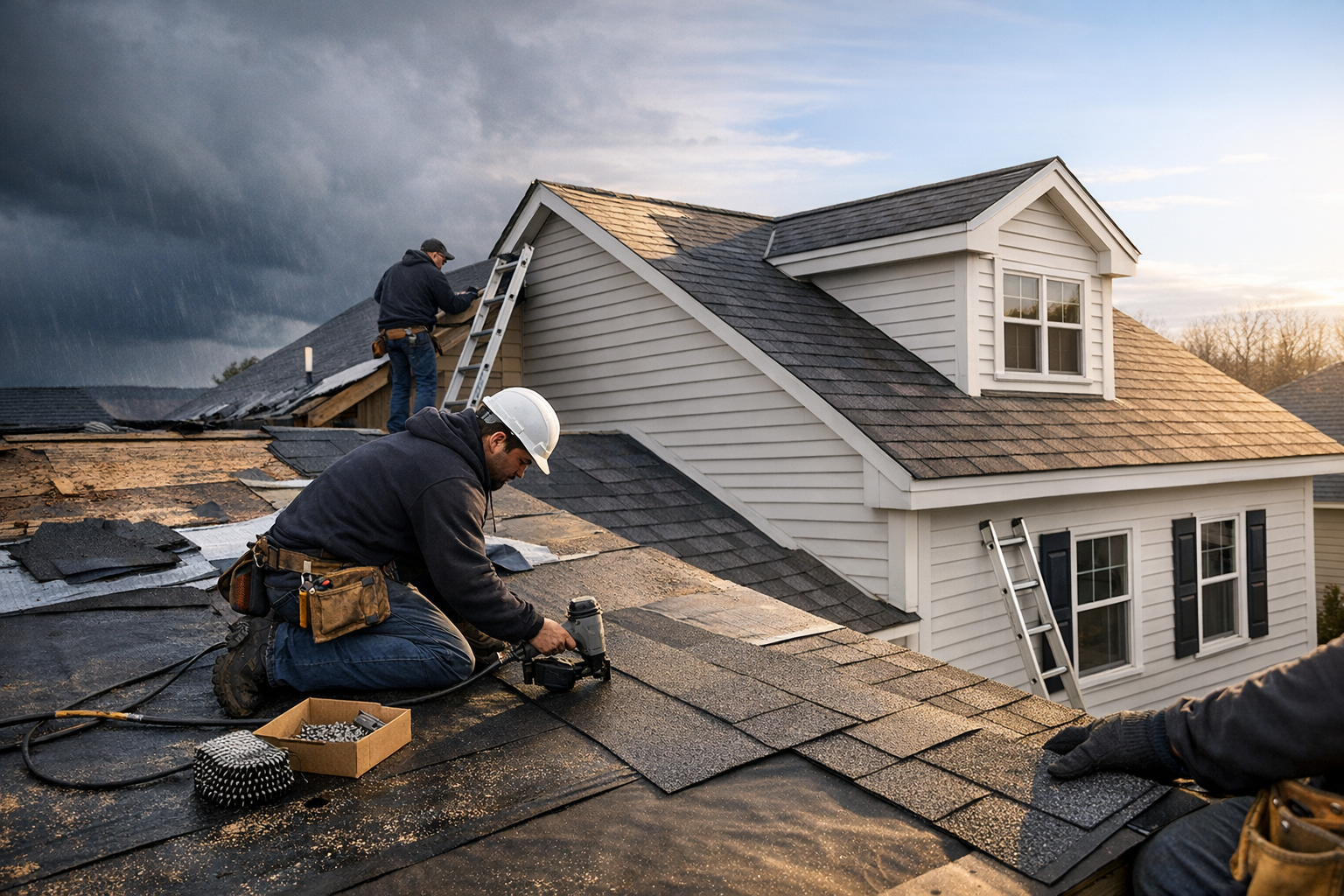


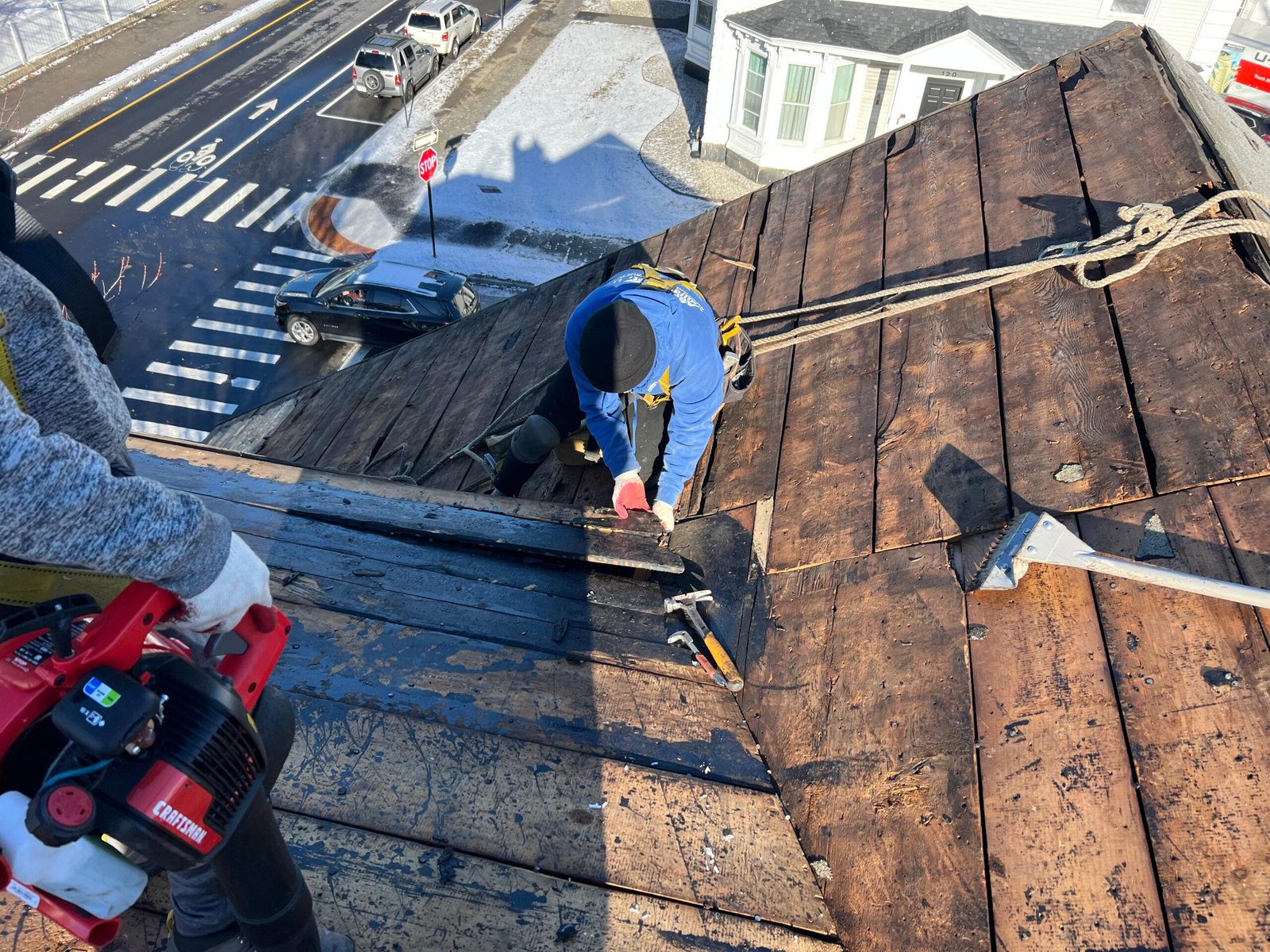
In the dance of New England seasons—from the icy winds off the Merrimack River to the sudden downpours sweeping through Nashua—your home’s exterior faces relentless challenges. The simplest misstep, like using a roofing nail gun on your cedar clapboards, can echo in leaks, splits, and costly repairs.
Problem: Nail Gun Mix-Ups in New England Homes
In Manchester or Londonderry, aging homes tell stories in chipped paint and warped shingles. Homeowners often assume that a single pneumatic nail gun can tackle both roofing and siding. Yet that assumption can crack boards and tear shingles, exposing your home to the fierce storms that sweep through Salem or Concord.
Impact: Weather, Durability, and Building Codes
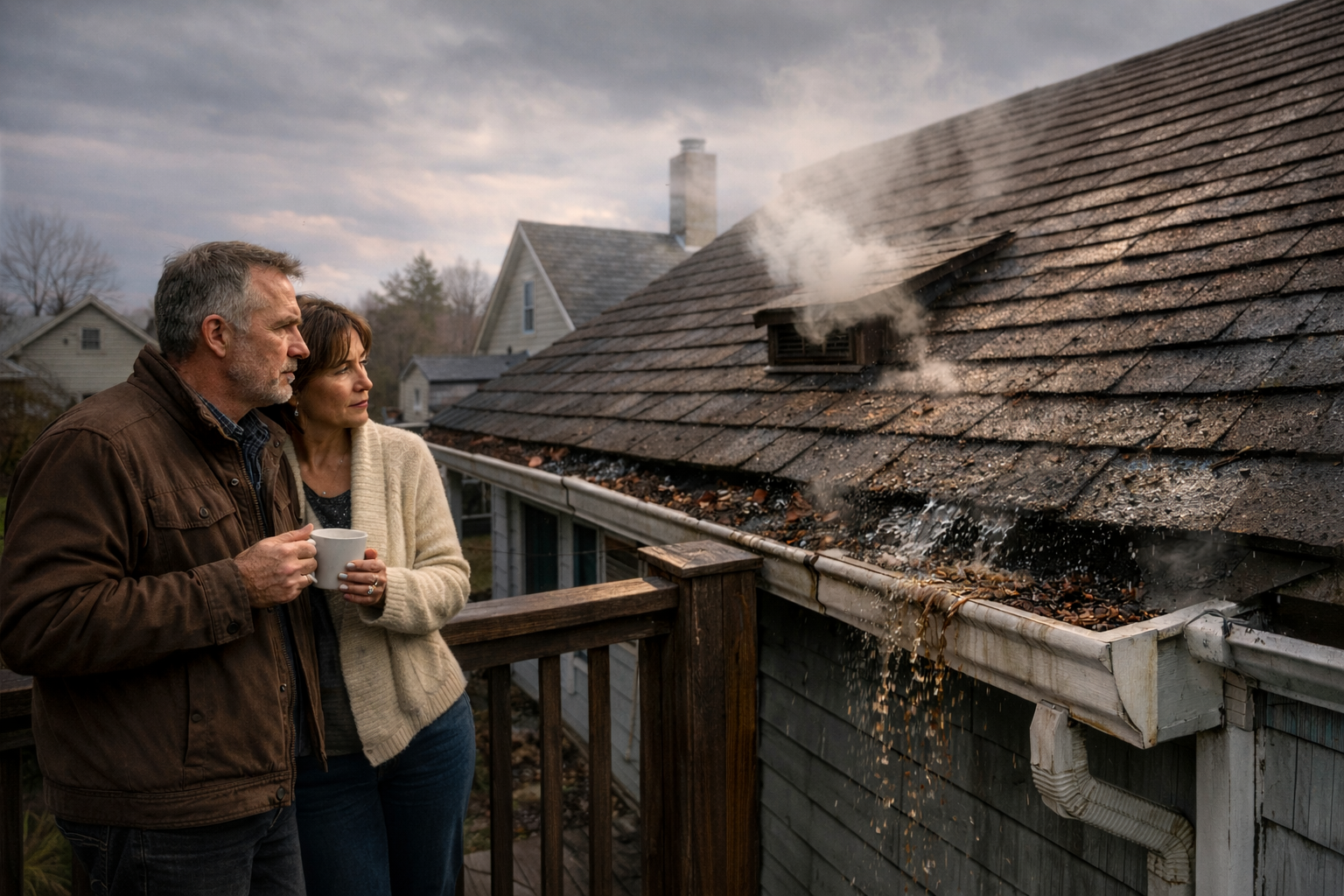
New England storms deliver rain and wind like a relentless drumbeat. When siding nails sit too deep or roofing fasteners leave gaps, water infiltrates. Under snow loads in Bedford or ice dams in Hudson, even a minor misalignment can expand into rot and structural decay. Building codes in Merrimack County demand precise fastening—imperative for insurers and inspectors alike.
Mechanism: How Roofing and Siding Nail Guns Differ
At their core, roofing nail guns and siding nailers share a power source and trigger—but their engineering diverges in critical ways.
Collation and Nail Specifications
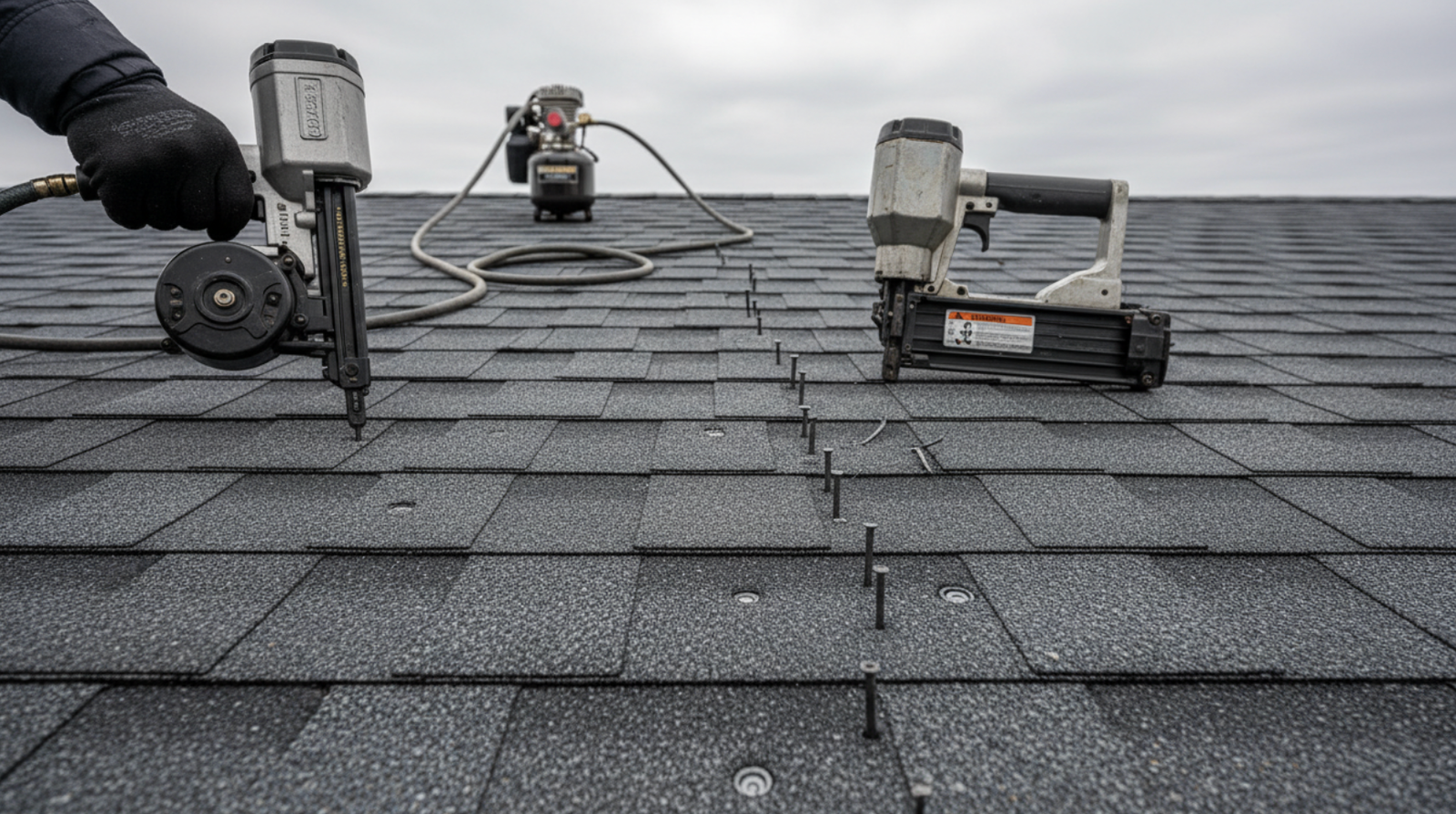
Roofing guns use plastic-striped coils of 1¼” to 1¾” ring-shank nails designed to grip under uplift. Siding nailers feed clipped head or full head nails, often 1″ to 2″, ensuring boards sit flush without over-penetration. A mismatch in collation angle can jam the tool and damage material.
Depth Adjustment and Pressure Settings
Roofing pneumatic guns deliver consistent force optimized for asphalt shingles. Siding guns require lower drive pressure and fine-tuned depth controls to prevent splitting cedar or fiber cement. Without these calibrations, nails protrude or sink too deep—a silent invitation to moisture.
Benefits: Choosing the Right Tool for Lasting Results
For homeowners in Derry or Salem, the right tool is more than convenience. It’s assurance. It’s the promise that each clapboard and shingle will stand firm through hail in late April, through nor’easters in March, through decades of changing seasons.
An expert-grade siding nailer, set to proper PSI, protects the grain and texture of cedar. A purpose-built roofing nail gun anchors shingles in uniform courses, resisting wind uplift up to 150 mph—a critical factor in storm-prone areas.
Outcome: Secure, Durable Weatherproof Exteriors
Picture a home in Concord with every seam sealed, every edge fastened. No warping, no leaks—only a façade as resilient as New England itself. By matching tools to tasks, you safeguard your investment, preserve historic character, and enjoy peace of mind that your exterior will weather the next storm, and the next.
FAQ
Can I use a roofing nail gun for siding installation?
Technically possible, but not advisable. Roofing guns drive ring-shank nails at higher pressures and lack fine depth control. This can split wood siding or leave fasteners too shallow.
What nail sizes are standard for roofing versus siding?
Roofing typically uses 1¼”–1¾” ring-shank nails. Siding ranges from 1″–2″ clipped or full head nails, chosen based on material thickness and local code requirements.
How do I prevent splitting on cedar siding?
Use a siding nailer with adjustable depth control, set lower PSI, and pre-drill when working near board ends or joints. This reduces stress on the wood fibers.
Are there building codes specifying nail gun types?
Codes focus on nail patterns, spacing, and fastener type rather than the gun itself. However, using the correct nailer ensures compliance with depth and placement standards in NH and MA.
For homeowners in New Hampshire or Massachusetts looking to maintain a safe and reliable home exterior, the team at Revive Roofing & Siding remains available for guidance, inspections, and detailed evaluations.
Website: reviveroofingandsidingllc.com
Email: reviveroofingandsidingnh@gmail.com
Phone: +1 (603) 560-5309