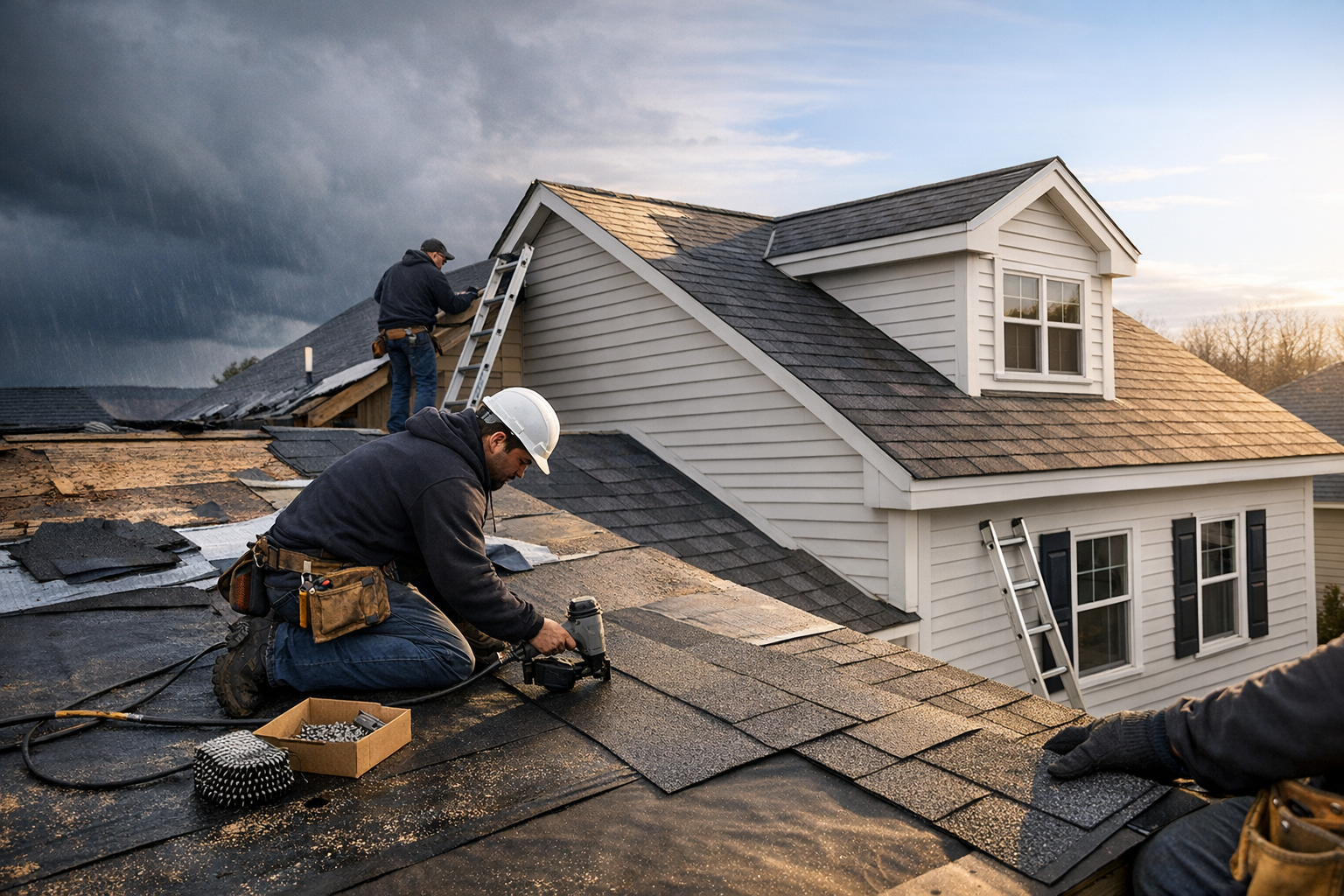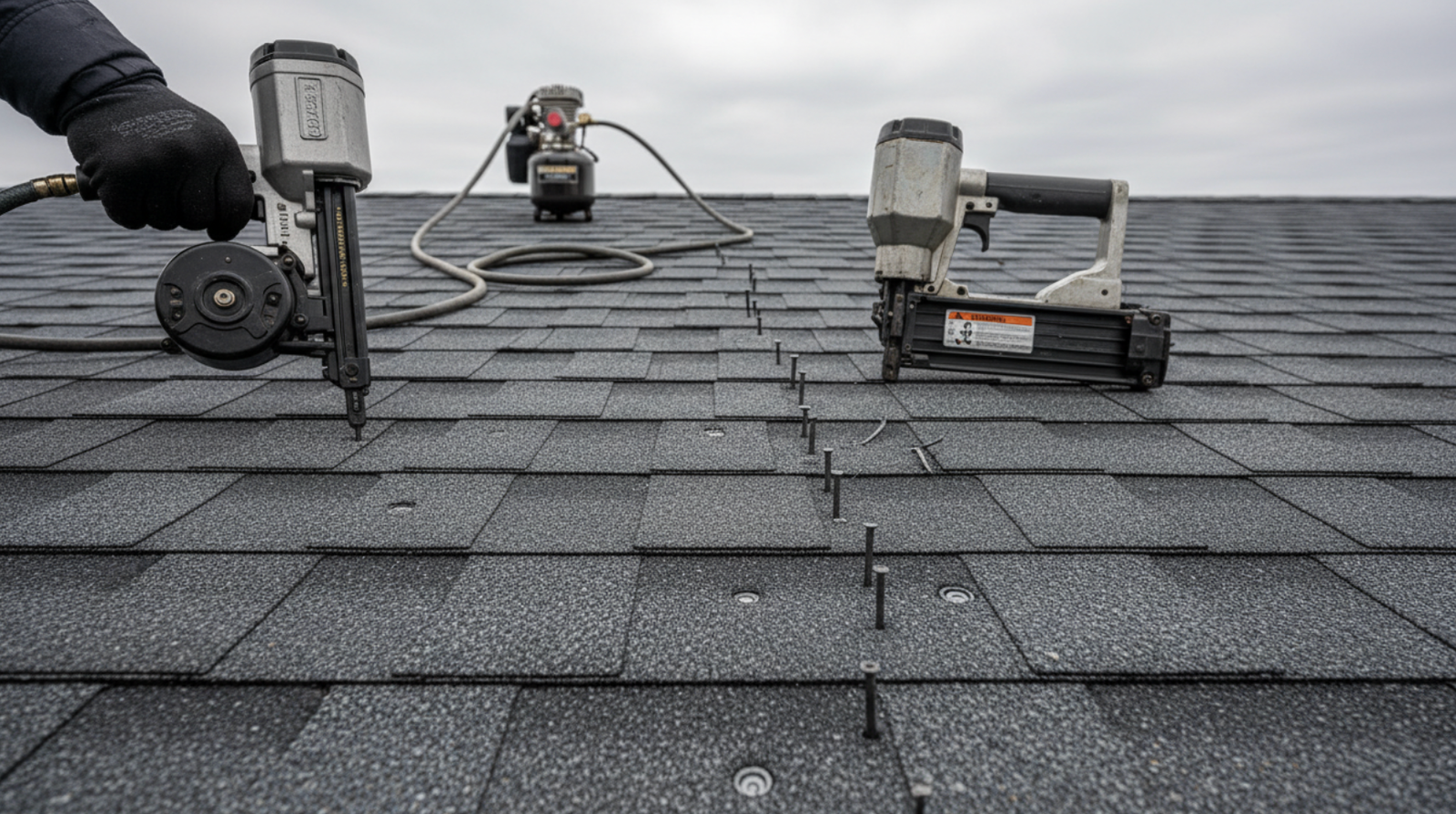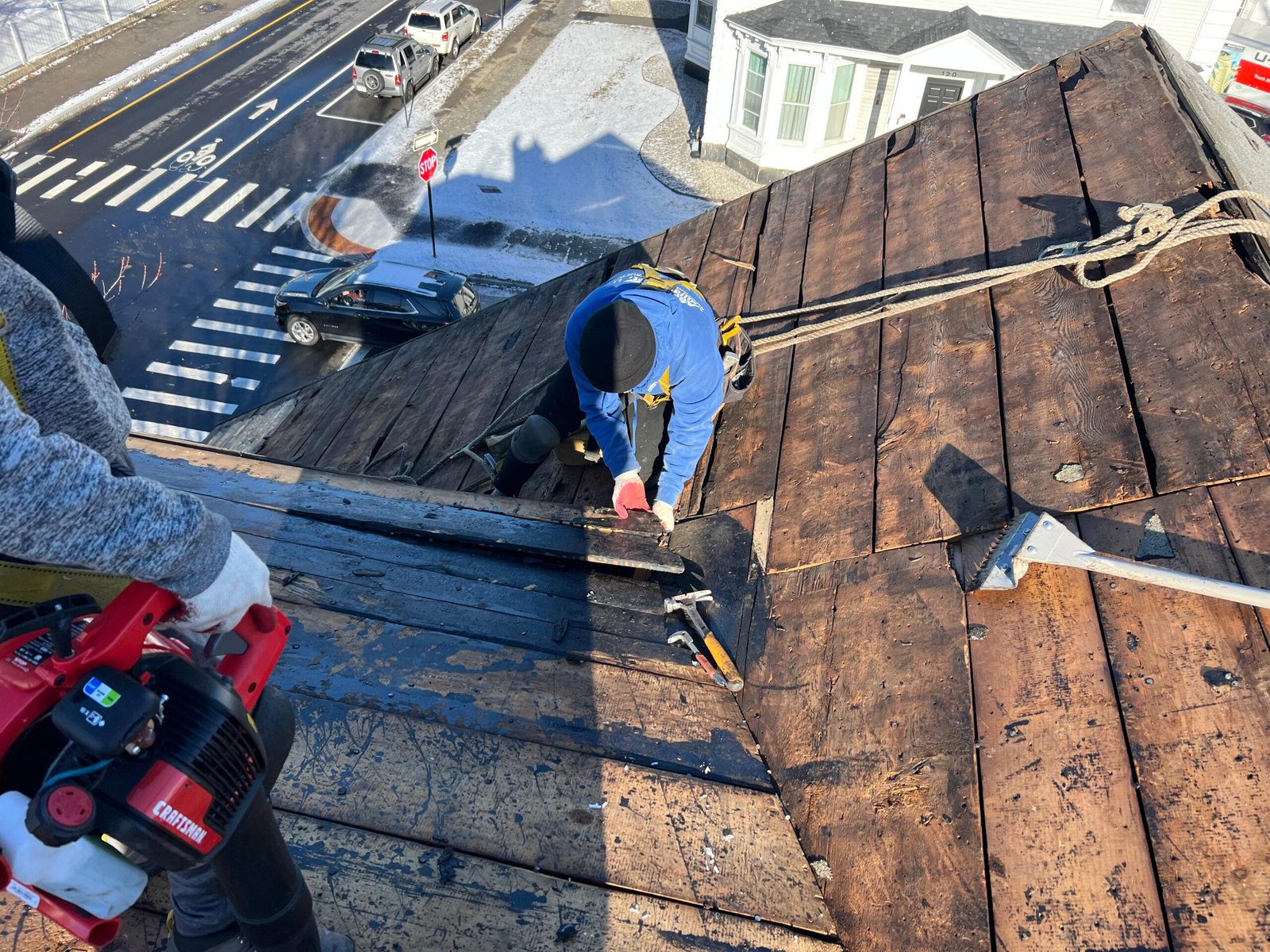

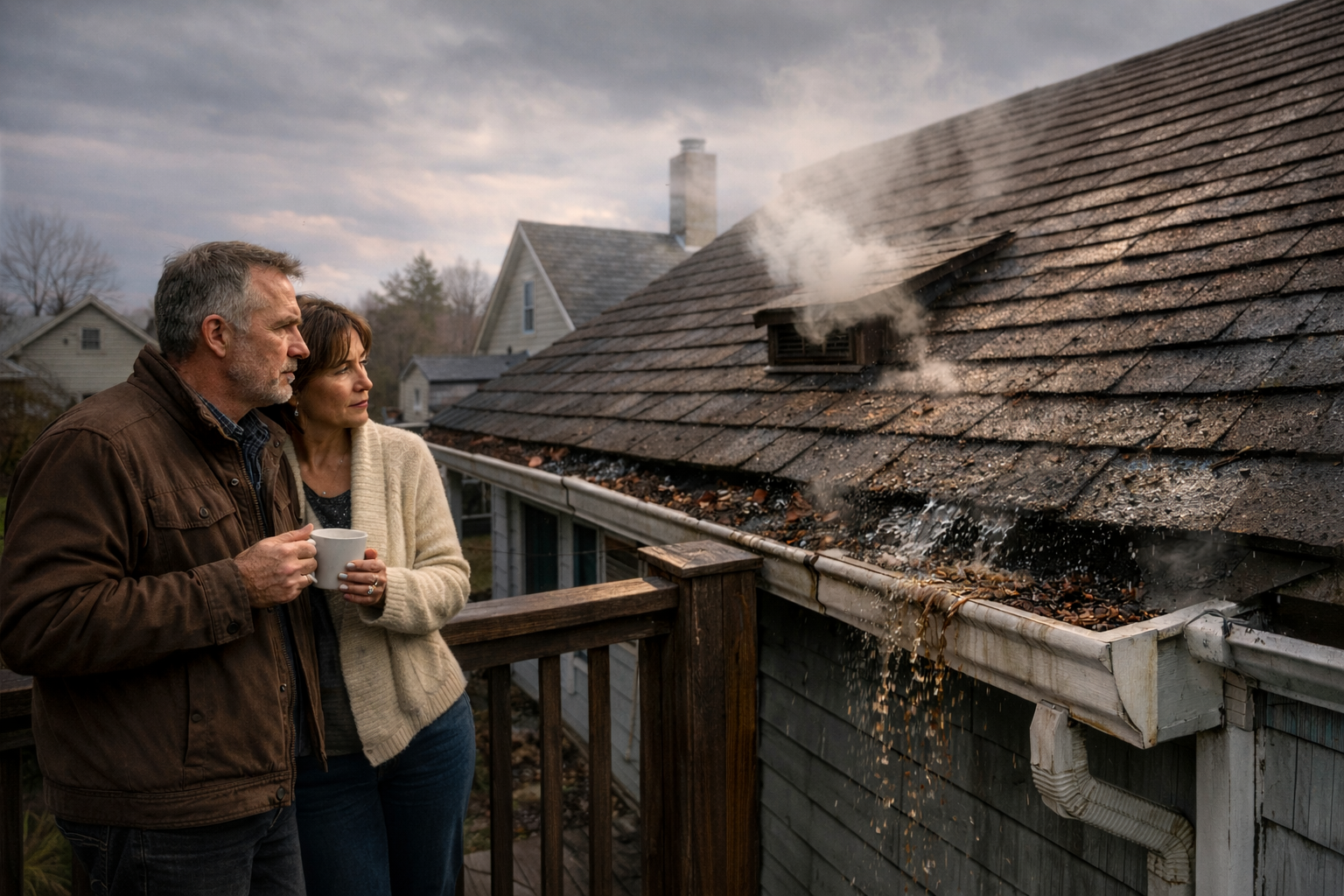
As the crisp New England winds sweep over rooftops from Nashua to Salem, homeowners pause on their porches, cup in hand, and wonder: Are modern shingles silently compromising our families’ health? In a region where storm-ravaged roofs and time-worn clapboards tell decades of stories, concerns about chemical leaching, volatile organic compounds, and aging materials demand real-world answers.
Problem: Concerns Over Shingle Toxicity
We see the granules wash into gutters after a heavy rain. We feel the heat of July sun intensify on dark asphalt. We know that shingles are more than mere weather barriers—they are chemical composites exposed to freeze-thaw cycles, ice dams, nor’easters, and blazing summer days. In Manchester and Bedford, where homes often predate modern ventilation standards, the question of toxicity can feel especially urgent.
Impact: Health and Home Integrity
When shingles degrade, micro-particles and chemical runoff can migrate into rainwater harvesting systems, landscaping beds, and air vents. Over time, trace elements—polycyclic aromatic hydrocarbons (PAHs) or older petroleum-based binders—might emerge. For families in Derry or Hudson, already mindful of well-water quality, uncertainty about roofing materials can breed stress. Worse still, repeated exposure to off-gassing under attic heat can aggravate allergies or respiratory concerns.
Mechanism: What’s Inside Modern Shingles?
Asphalt and Binders
Today’s typical asphalt shingle blends oxidized asphalt with polymer modifiers to boost flexibility and UV resistance. In contrast to pre-1980 organic shingles—laden with felt and coal tar—modern binders use refined base oils and styrene-butadiene-styrene (SBS) for added durability.
Fiberglass Mat vs. Organic Felt
Nearly all new shingles feature a fiberglass mat core. This non-biodegradable scaffold reduces moisture absorption and lowers weight. It also cuts down on volatile emissions compared to thicker, felt-based alternatives once common in Concord and Merrimack.
Mineral Granules and Additives
Granules of ceramic, slate, or mineral compounds shield shingles from UV and provide fire ratings up to Class A. Some manufacturers integrate cool-roof coatings—reflective pigments that reduce attic heat and curb air conditioning loads across Londonderry and Salem homes.
Benefits: Innovations in Shingle Safety
Enhanced Formulations
Manufacturers now adhere to stringent ASTM standards for low VOC emissions. Tests under simulated sun and hailstorms confirm that polymer-modified asphalt releases negligible chemicals—even under sustained 160°F attic temperatures.
Improved Ventilation and Installation
Proper roof ventilation, ridge vents, and underlayment barriers transform an attic into a controlled environment. In Nashua’s humid summers or Merrimack’s winter freeze, balanced airflow cuts moisture, curtails mold, and minimizes heat-driven off-gassing.
Outcome: Choosing Confidence Over Uncertainty
Contrast the unease of an aging slate roof in Derry—its granules once washed down with every thaw—with the reassurance of a modern, well-ventilated asphalt system in Hudson that meets both New Hampshire and Massachusetts code. The transformation is clear: from anxiety to assurance.
Homeowners across Manchester and Bedford now base decisions on third-party lab data, NFRC ratings, and local building codes. They install products with documented chemical profiles and back their choices with warranties that cover both performance and environmental compliance.
Frequently Asked Questions
Are modern asphalt shingles safe for families?
Yes. Contemporary asphalt shingles use refined binders and fiberglass mats that emit minimal VOCs. Independent lab tests under extreme heat confirm levels remain below EPA thresholds for indoor air quality.
Do shingles emit VOCs that affect indoor air quality?
Under normal conditions and with proper attic ventilation, VOC emissions from high-quality shingles are negligible. Opting for products with certified low-VOC formulations further reduces any off-gassing risk.
How can I test my roof for harmful runoff?
Collect rainwater after a heavy shower and send samples to a local environmental lab. In Concord and surrounding towns, water testing services can screen for PAHs, heavy metals, and pH imbalances linked to roofing materials.
What roofing code requirements exist in New Hampshire and Massachusetts?
Both states mandate Class A fire ratings for most residential roofs and specify ventilation ratios (1:150 net free area). Detailed guidelines appear in the NH IRC and the MA State Building Code, referencing ASTM standards for shingle performance.
When should I replace my aging shingles?
Plan for replacement after 20–25 years of service or once granules thin noticeably. In storm-prone areas like Merrimack Valley, inspect roofs annually and after major nor’easters to catch early signs of wear.
For homeowners in New Hampshire or Massachusetts looking to maintain a safe and reliable home exterior, the team at Revive Roofing & Siding remains available for guidance, inspections, and detailed evaluations.
Website: reviveroofingandsidingllc.com
Email: reviveroofingandsidingnh@gmail.com
Phone: +1 (603) 560-5309