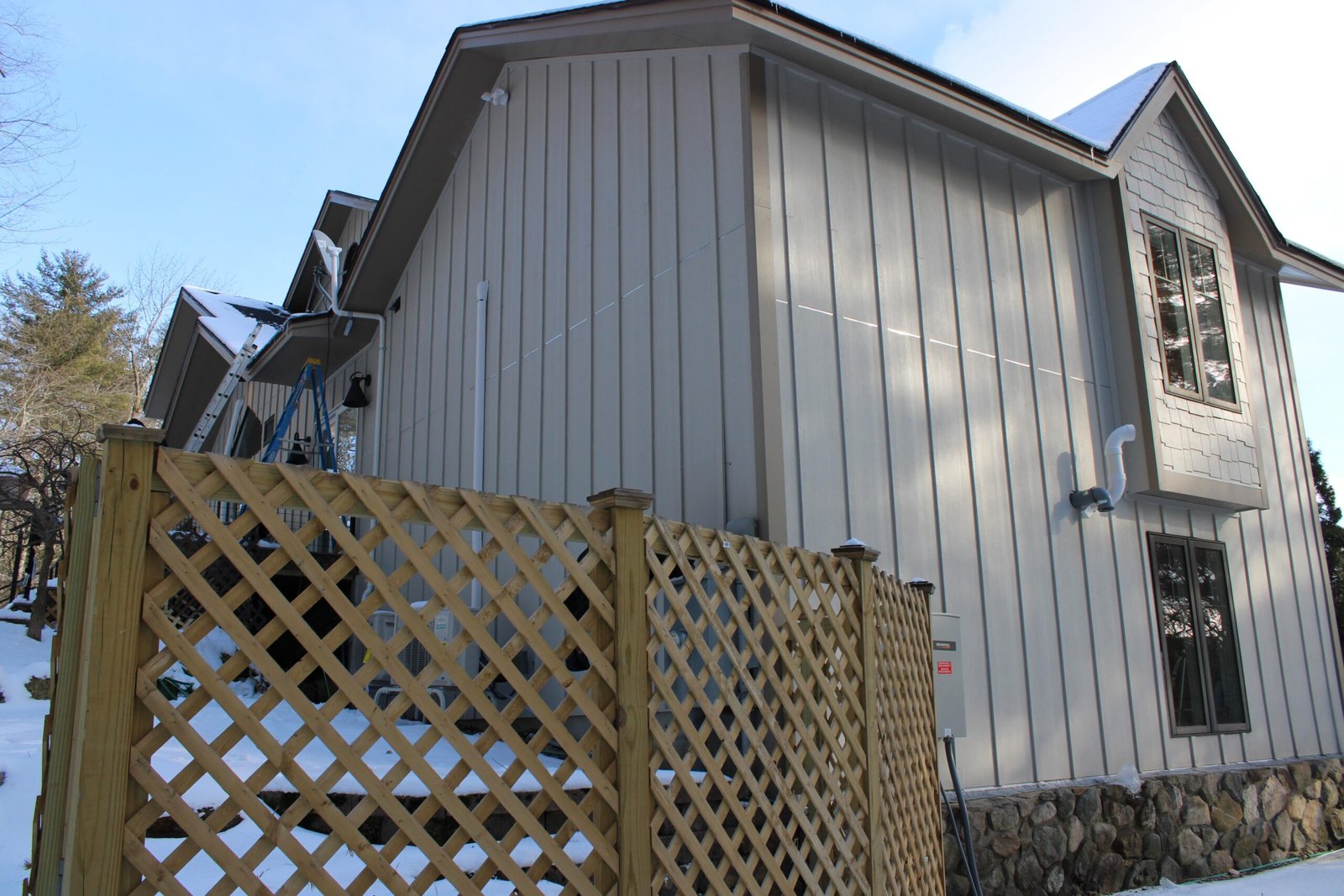
Best siding for New England homes is not just about appearance. It is about durability, cost, and long-term protection against freeze-thaw cycles, wind, and moisture.
Problem: Aging Siding in New England Homes
Many houses across Manchester, Merrimack, Londonderry, Hudson, Derry, Salem, and Concord still wear original clapboard or aging vinyl. Time erodes paint, water infiltrates seams, and storm damage leaves boards warped. That slow compromise of structure undermines curb appeal—and peace of mind.
Impact: Weather Challenges Across Nashua to Concord
When wind-driven rain finds a weakness, moisture seeps into framing. Ice dams form at roof edges. Paint blisters. Boards rot. The cost of emergency repairs climbs. Homeowners feel the tension between historic charm and modern resilience. A home’s skin must balance tradition and technology.
Mechanism: Siding Materials and Their Performance
Understanding each material’s strengths and limits is crucial. Here, we explore the leading options on the market and how they respond to New England’s extremes.
Vinyl Siding
Vinyl offers low upfront cost and effortless maintenance. It resists moisture, never needs painting, and holds up to wind gusts if installed per building code. Yet, under UV exposure it can fade, and in sub-zero cold it becomes brittle. Expect a typical lifespan of 25–30 years.
Fiber Cement Siding
Fiber cement blends cement, sand, and cellulose fibers into a robust, noncombustible panel. It handles freeze-thaw cycles without splitting. It stands up to rot, insects, and hail. Despite a higher initial investment—often 2–3 times vinyl—it rewards with 40–50 years of service and a deep, painted finish that mimics traditional clapboard.
Cedar (Wood) Siding
Nothing matches natural cedar’s warmth and texture. It breathes, it insulates, it ages gracefully to a silvery patina. But it demands vigilance: annual sealant, periodic painting or staining, and careful inspection after storms. In a harsh New Hampshire winter or a Nor’easter gale, neglect shows fast.
Engineered Wood Siding
Manufactured panels combine wood fibers with resin binders and moisture barrier coatings. They resist swelling and rot more effectively than raw wood. With proper ventilation and overhangs, they deliver 30–40 years of service at a moderate cost point, often undercutting fiber cement.
Aluminum Siding
Aluminum resists fire, resists rust (when coated), and repels insects. It reflects heat in summer, reducing cooling loads. But it can dent easily under hail or lawn equipment impact. In coastal proximity like Salem or Hudson, salt spray can dull its finish unless high-grade coatings are used.
Benefits: Balancing Durability, Cost, and Longevity
Cost Comparisons
On average, vinyl runs $3–$5 per square foot installed. Engineered wood lands at $5–$7. Fiber cement sits at $7–$12. Cedar boards range $6–$10 plus finish. Aluminum costs $4–$6. Factor in removal of old siding, disposal fees, and necessary house wrap or insulated sheathing. Predictable budgets start with detailed quotes.
Maintenance Requirements
Vinyl: rinse annually, inspect seams.
Fiber cement: touch up caulk lines, repaint every 15–20 years.
Cedar: seal or stain yearly, replace boards showing rot.
Engineered wood: inspect moisture seals, repaint every decade.
Aluminum: wash down, address dents promptly.
Energy Efficiency and Insulation
Adding insulated backing beneath any siding boosts R-value by 1–3 points. In Concord or Merrimack winters, that shave on heating bills compounds over decades. A continuous foam layer can also reduce thermal bridging—cutting drafts at studs, headers, and corners.
Outcome: Making an Informed Choice
Choosing siding for a New England home is not a quick decision. It is a commitment to performance against freezing temperatures, humid springs, and Nor’easter storms. It is selecting the right material for your neighborhood—from Derry’s tree-lined streets to Manchester’s historic districts.
In the end, the best siding delivers peace of mind. It preserves historic character while meeting modern codes. It withstands freeze-thaw cycles like a seasoned watchman. It holds color, repels moisture, and repays investment with decades of low-stress protection.
FAQ
What siding lasts longest in New England winters?
Fiber cement typically offers the longest lifespan—40 to 50 years—resisting freeze-thaw damage and moisture intrusion when installed per local code requirements.
Is vinyl siding a good choice for coastal areas like Salem?
Vinyl resists salt spray and moisture, but choose thicker panels (0.044″ or more) and ensure secure fastening to prevent warping in high winds.
How much should I budget for siding replacement in Hudson?
Expect $5,000 to $15,000 for average 1,500 sq ft homes, depending on material. Vinyl at the low end; fiber cement and cedar at the high end. Include removal, disposal, and underlayment costs.
Can I install insulation under my new siding?
Yes. Adding a layer of rigid foam or insulated house wrap beneath siding improves thermal performance, cuts drafts, and defends framing against moisture.
Do I need a permit in Manchester or Concord?
Most municipalities require a siding permit and inspection to ensure compliance with fire and wind codes. Check with your local building department for specifics.
For homeowners in New Hampshire or Massachusetts looking to maintain a safe and reliable home exterior, the team at Revive Roofing & Siding remains available for guidance, inspections, and detailed evaluations.
Website: reviveroofingandsidingllc.com
Email: reviveroofingandsidingnh@gmail.com
Phone: +1 (603) 560-5309