Cold climates accelerate siding degradation through repeated freeze-thaw cycles, moisture intrusion, and high wind loads. For homeowners in Southern New Hampshire and Northern Massachusetts—whether in Nashua, Manchester, Bedford, Merrimack, Londonderry, Hudson, Derry, Salem, or Concord—understanding the stakes before picking up a hammer is essential.
Problem: Aging Siding Meets New England Winters
Homes built in the post-war boom around Manchester or the historic streets of Concord often show their age when the first nor’easter blows in. Vinyl panels warp. Fiber cement boards crack. The seams open like tiny fault lines, inviting ice, wind, and water. When siding fails, so does your home’s first defense.
Impact: What Happens When Siding Lets You Down
Moisture seeps behind damaged panels. Insulation loses effectiveness. Framing swells and rots. The next spring brings peeling paint, bulging trim, and a nightmare of mold. In Bedford or Merrimack, the cost of professional repair can climb into five figures. But the real price is the anxiety of a home laid bare to winter’s wrath.
Mechanism: How to Execute a Secure DIY Installation
Materials Matter
When you choose siding, you choose your home’s armor. Vinyl siding offers flexibility and ease of handling; fiber cement siding delivers fire resistance and rigidity. In Salem or Hudson, where coastal salt air can corrode fasteners, corrosion-resistant nails and stainless steel trims are non-negotiable.
Step 1: Surface Preparation
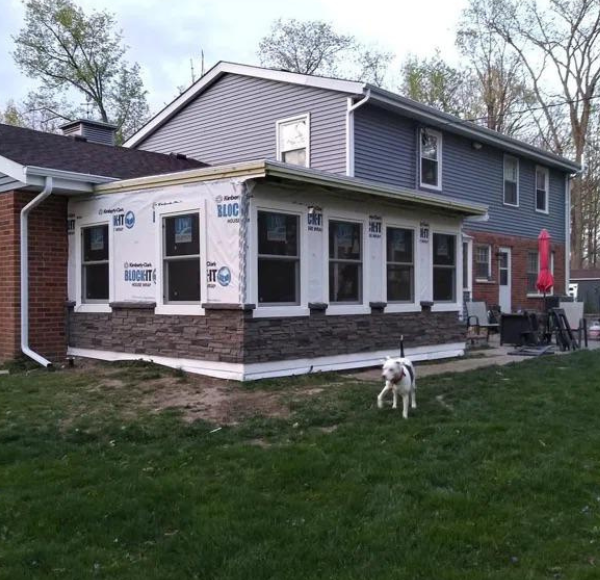
First, strip old siding. Then install a continuous moisture barrier. In Derry’s windy corridors, taped seams and overlap height of at least 6 inches reduce the chance of wind-driven rain.
Step 2: Insulation & Sheathing
Adding rigid foam boards behind siding boosts R-value by up to 20%. In Nashua’s January chill, that difference registers—both on your thermostat and your wallet.
Step 3: Fastening & Alignment
Secure panels with the right nails, spaced per local building codes. Allow horizontal expansion; nail through the center of slots in vinyl. In Londonderry gusts exceeding 90 mph, proper nailing patterns prevent panels from ballooning.
Step 4: Flashing & Trim
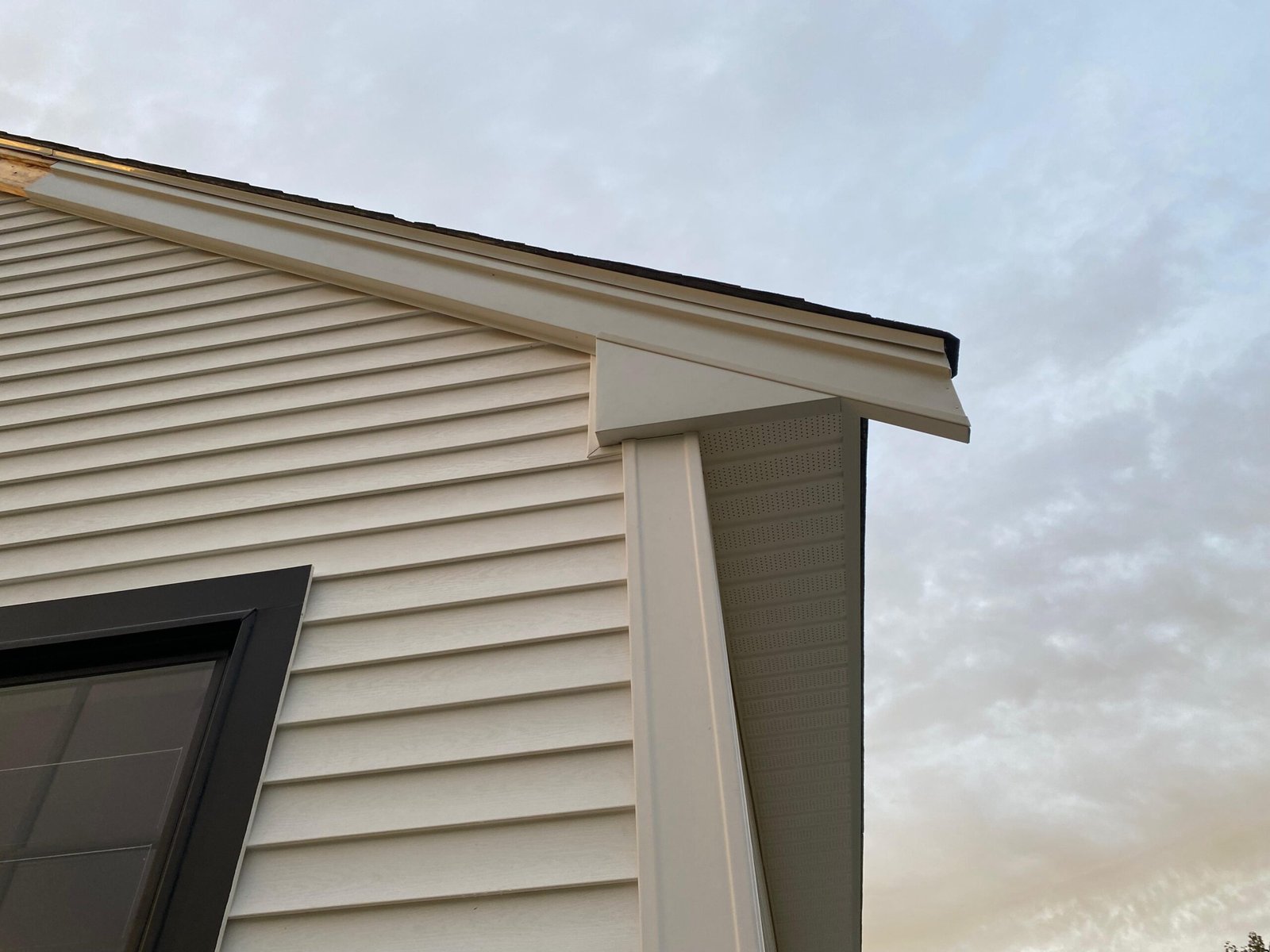
Flashing is the silent sentinel at windows and doors. A well-installed head flashing stops leaks before they start. Trim pieces, cut square and seated flush, seal joints against snowdrifts and ice dams.
Step 5: Finishing Touches
Caulk gaps with a cold-weather rated sealant. Inspect each seam. Stand back and look for straight courses. A visual audit in Derry’s dusk light can reveal misalignments invisible in midday glare.
Benefits: The Rewards of a Well-Executed DIY Project
When you invest in each step—materials, barrier, insulation, fastening, flashing—you transform a project into peace of mind. Energy bills drop. Interior comfort stabilizes. A home in Concord that stood vulnerable now stands resilient.
Outcome: A Shield Against the Elements
Months of careful work yield a siding envelope that breathes, drains, and defends. In Bedford’s bitter winds or Salem’s sleet, your home wears its new exterior like armor—quiet, steadfast, protected.
FAQ
How cold is too cold to install siding?
Most manufacturers recommend above 40 °F for vinyl siding. Below that, panels can become brittle and sealants lose adhesion. In spring or fall, aim for consistent daytime temperatures above freezing.
Can I install fiber cement siding alone?
Fiber cement boards weigh more and require precise cuts. With two people, proper tools, and a stable work platform, solo homeowners can succeed—especially in smaller sections around windows.
Do I need a permit for DIY siding in New Hampshire?
Yes. Towns like Manchester and Concord require building permits. Check local codes for wind load ratings and required inspection stages before and after installation.
How do I prevent frost heave from damaging siding?
Maintain proper grading away from the foundation. Ensure that flashing extends beneath the moisture barrier and that trim pieces have adequate clearance from the ground.
What’s the best way to seal around windows?
Use head flashing under the top trim, apply a self-adhesive flashing tape around the jambs, then finish with a consistent bead of cold-weather caulk rated for vinyl expansion.
For homeowners in New Hampshire or Massachusetts looking to maintain a safe and reliable home exterior, the team at Revive Roofing & Siding remains available for guidance, inspections, and detailed evaluations.
Website: reviveroofingandsidingllc.com
Email: reviveroofingandsidingnh@gmail.com
Phone: +1 (603) 560-5309