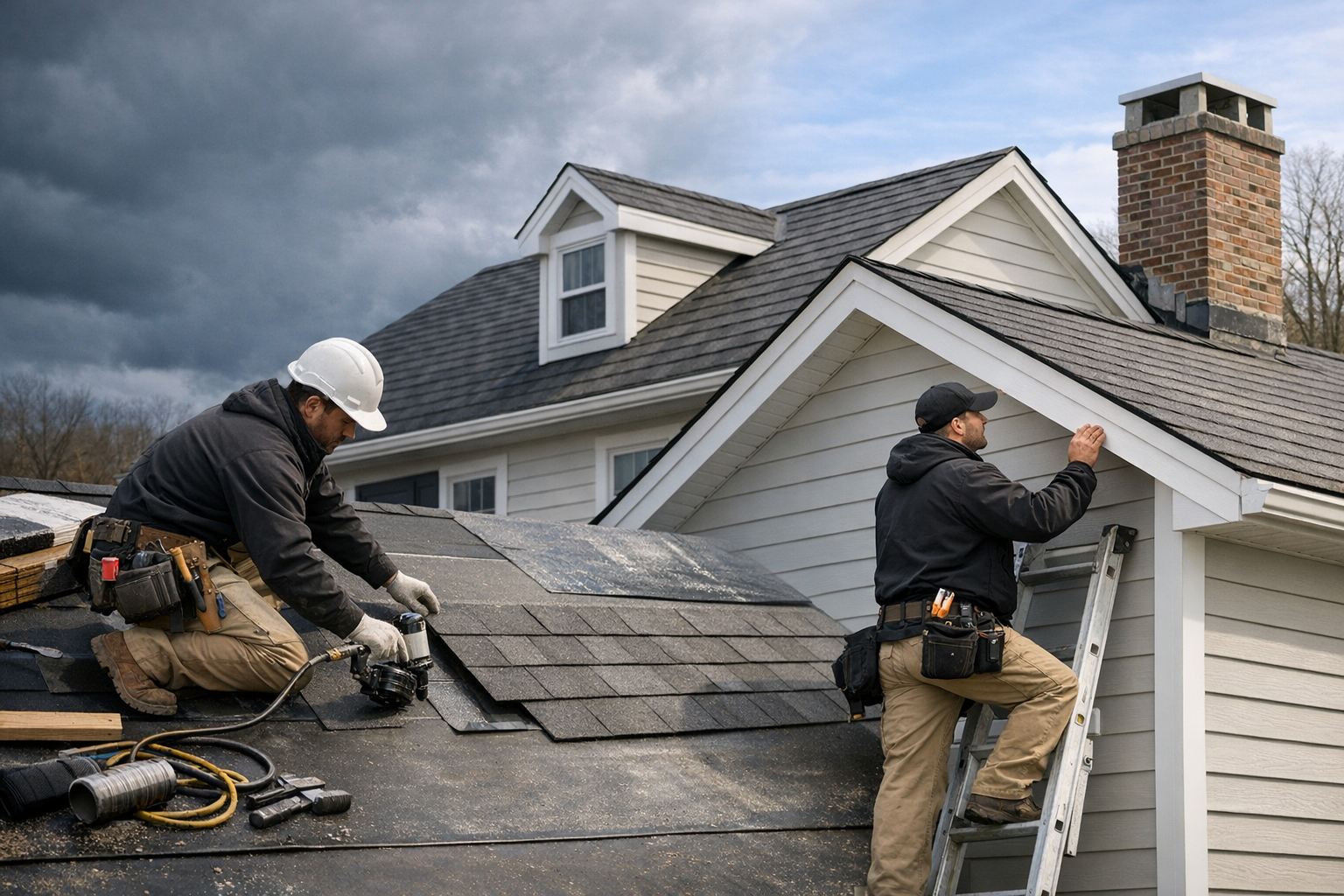
In the quiet towns from Nashua to Concord, winter winds batter roofs and spring rains seep through unseen cracks. Roofs are the hats that shield us; siding is the coat that warms us. Yet many homeowners in Manchester, Bedford, Merrimack, Londonderry, Hudson, Derry, and Salem use every term but the right one—uncertainty reigns, estimates vary, repairs linger.
Problem: Names Out of Reach When Weather Strikes
Old New England homes creak under ice dams, shingles lift under gusts, clapboard splits beneath frost. Without clear terminology—without knowing what each piece is called—calls to contractors turn into guessing games. Miscommunication grows. Costs rise.
Impact: Costly Mistakes and Unexpected Repairs
When a soffit is mistaken for a fascia or when a moisture barrier is dismissed, leaks follow. Estimates balloon. Insurance claims stall. Homeowners feel the sting of deferred maintenance and the weight of unplanned expenses. Security feels distant.
Mechanism: Unpacking Roofing and Siding Components
Roofing: Layers That Keep You Dry
First, the roof shingles—often architectural shingles in Nashua or fiber cement options in Salem—form the outer skin, visible and vital. They shed water, reflect UV, and bear wind loads.
Second, the underlayment—a hidden moisture barrier laid atop the decking. Felt or synthetic, it’s the silent guardian beneath asphalt, cedar, or slate.
Third, flashing—thin metal strips around chimneys, valleys, and vents. Flashing directs water away from joints. Misplaced flashing invites leaks.
Fourth, the overhangs: soffit and fascia. The soffit—vented panels beneath eaves—breathes; the fascia—the board at roof edge—secures gutters and finishes the profile.
Siding: The Protective Coat
First, the sheathing—plywood or OSB that underlies the siding. It provides structural support and a nailing base.
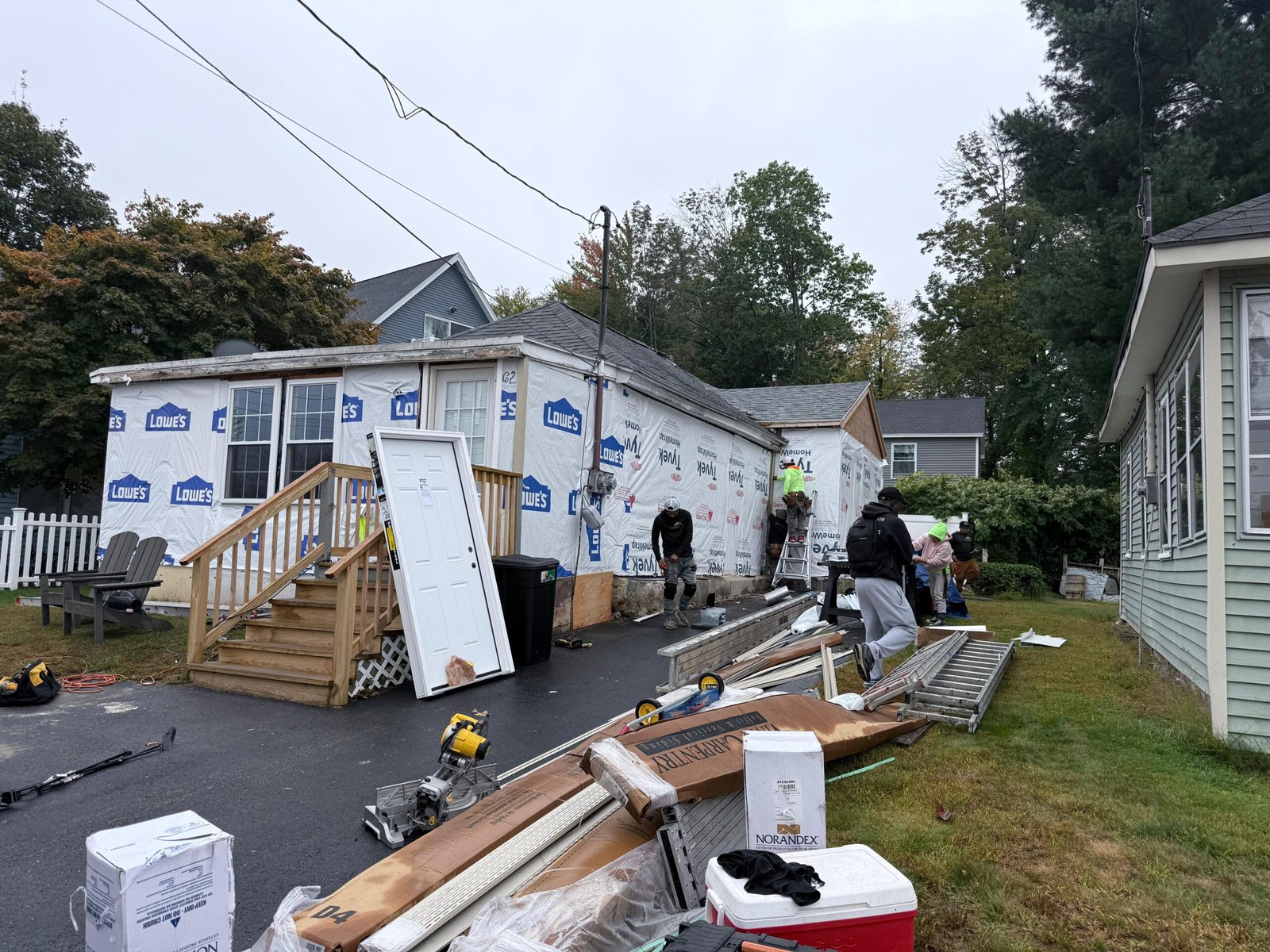
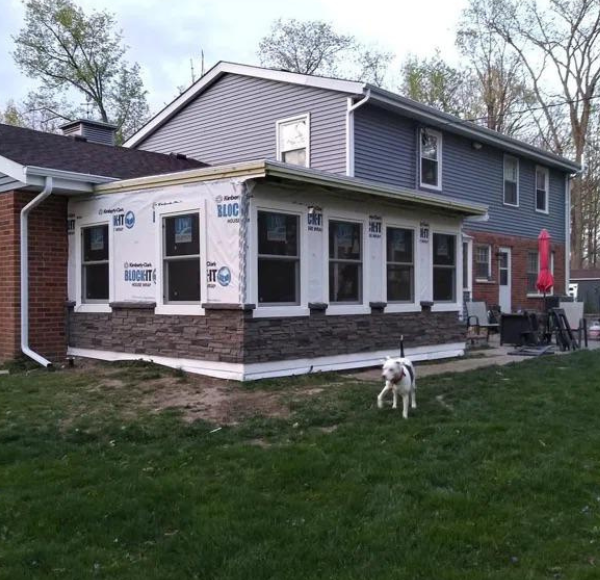
Second, house wrap—a breathable barrier that stops wind-driven rain but lets moisture escape. Proper installation in Derry or Hudson towns prevents mold behind vinyl siding or fiber cement panels.
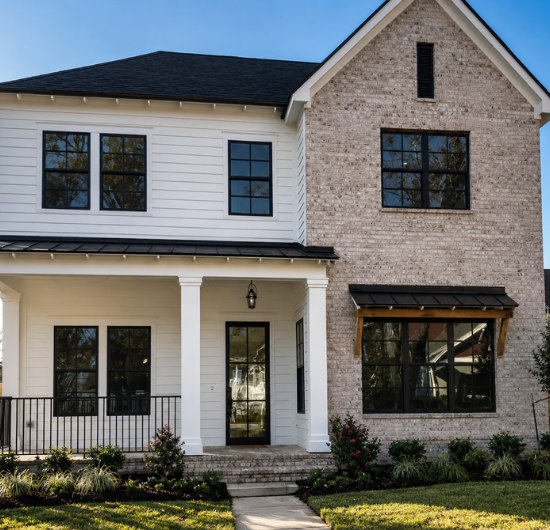
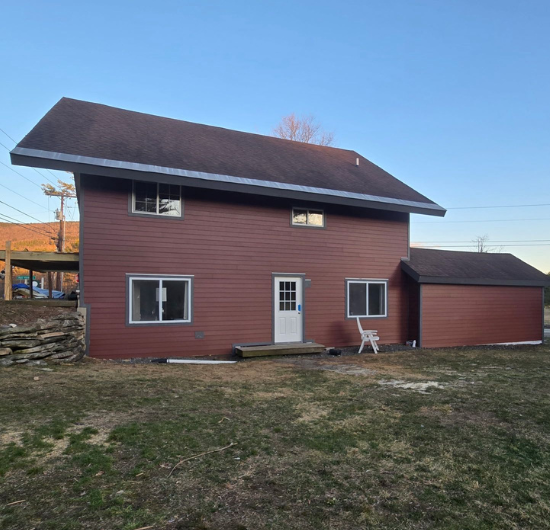
Third, exterior cladding: from traditional clapboard in Bedford to modern lap siding in Merrimack. Materials vary—vinyl, wood, fiber cement—each with its own texture, price point, and lifespan.
Fourth, trim and corner boards—small pieces with big impact—seal joints, define lines, and add architectural detail.
Benefits: Informed Choices, Predictable Outcomes
Know it. Name it. Fix it. When you can name the underlayment or distinguish clapboard from lap siding, your decisions carry weight:
• Accurate quotes that reflect real scope
• Proper materials suited to Northern Massachusetts storms
• Confidence in contractors who respect your knowledge
Outcome: A Shelter That Lasts Seasons
With clear terminology, your home stands stronger against sleet, snow, and spring showers. Your roof remains a steadfast umbrella; your siding, a lasting coat. Over time, predictability replaces uncertainty. Costs stabilize. Peace of mind returns.
Frequently Asked Questions
What’s the difference between underlayment and flashing?
The underlayment is a continuous moisture barrier beneath shingles or tiles. Flashing consists of metal pieces at joints and penetrations, guiding water away from vulnerable seams.
How long does vinyl siding last in New Hampshire climates?
Quality vinyl siding can endure 20–40 years in Southern New Hampshire, depending on installation, sun exposure, and maintenance. Proper house wrap and trim detailing extend its lifespan.
When should I replace architectural shingles?
Architectural shingles typically last 25–30 years. Signs you need replacement include curling edges, granule loss, and persistent leaks—even after minor repairs.
Can I inspect my soffit and fascia myself?
Yes. From the ground, look for sagging panels, loose vents, and peeling paint. Inside the attic, check for light seepage or drafts at eaves. For a thorough evaluation, professional inspection is best.
Why choose fiber cement over vinyl siding?
Fiber cement offers superior fire resistance, dimensional stability, and a wood-like texture. It resists hail and wind better than vinyl, making it ideal for areas prone to severe weather.
For homeowners in New Hampshire or Massachusetts looking to maintain a safe and reliable home exterior, the team at Revive Roofing & Siding remains available for guidance, inspections, and detailed evaluations.
Website: reviveroofingandsidingllc.com
Email: reviveroofingandsidingnh@gmail.com
Phone: +1 (603) 560-5309