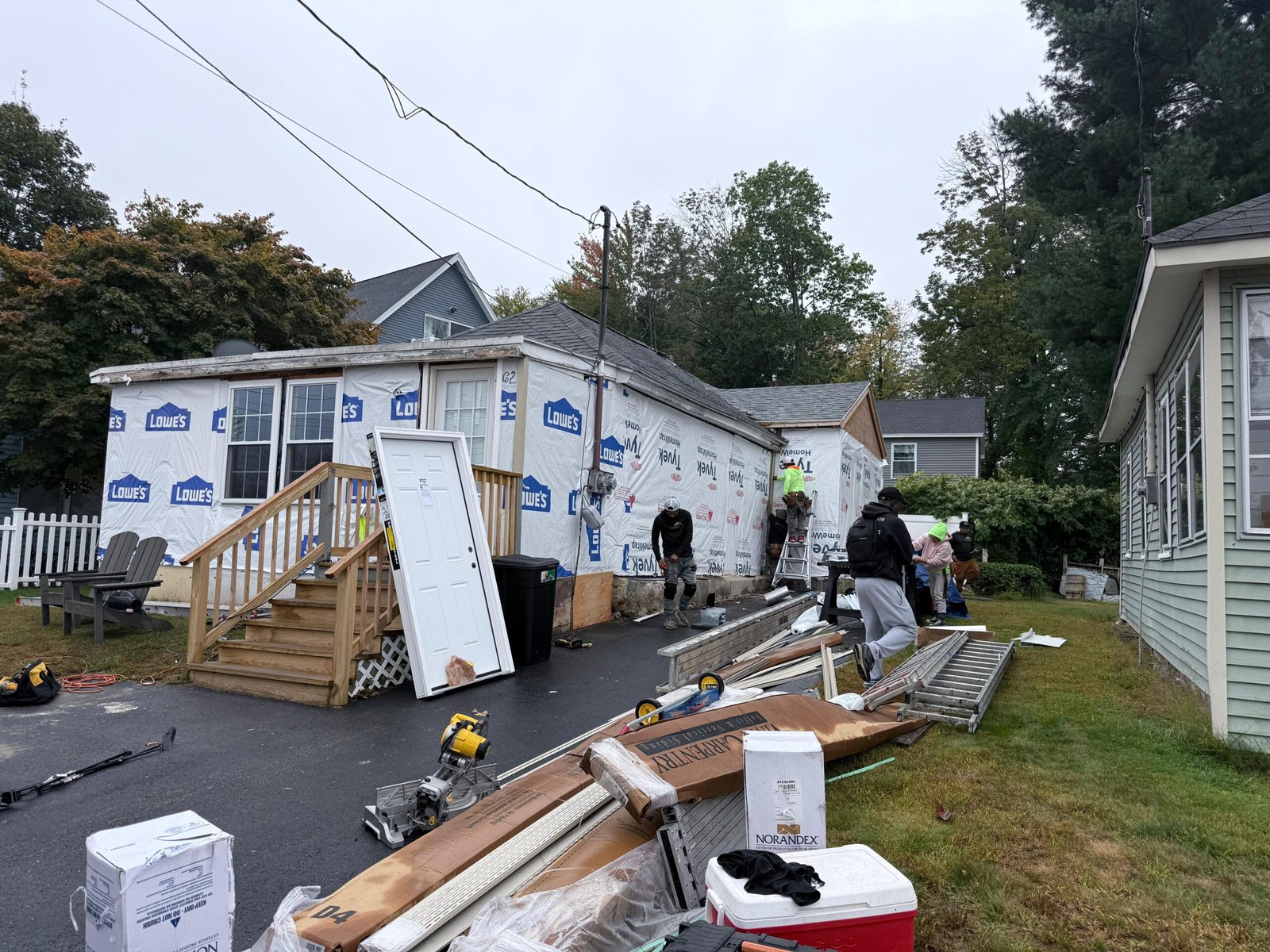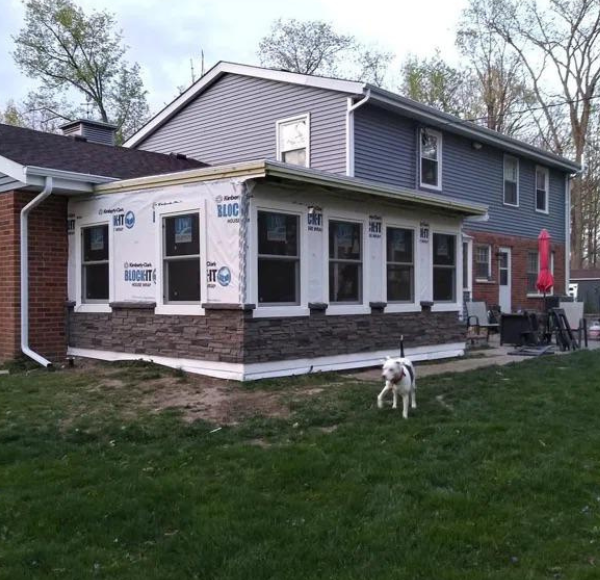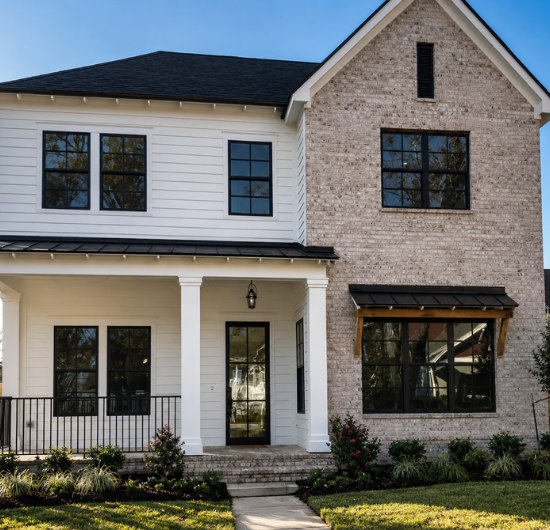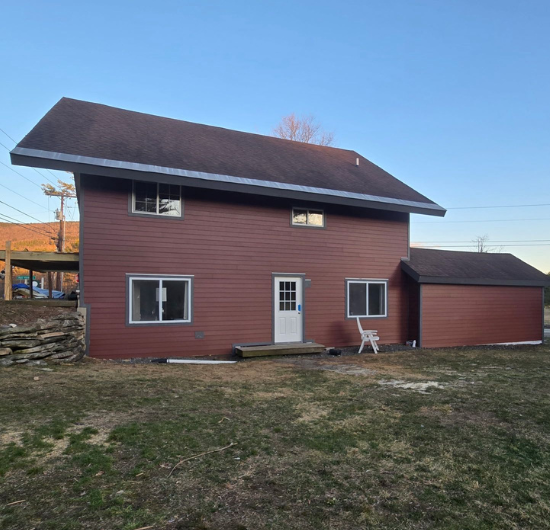
Every home in Nashua, Manchester, Bedford, Merrimack, Londonderry, Hudson, Derry, Salem, or Concord stands under a relentless sky. When wind howls through New England’s Nor’easters, when freezing rain coats shingles and siding in ice, the fate of an aging home hangs on two systems: its siding and its roofing. Together, they form a single protective envelope—its first line of defense against weather, time, and wear.
Problem: Weathered Homes Under Pressure
Homes built decades ago in Southern New Hampshire and Northern Massachusetts reveal their age in cracked paint, curling shingles, or warped panels. When storm damage strikes—hail pounding roofing materials, bitter cold seeping behind vinyl siding—minor gaps become pathways for water and drafts. Moisture infiltrates, wood rot begins, and energy bills climb. For homeowners over 35, the question becomes: can this protective envelope still hold?
Impact: From Shingles to Siding—When Failure Begins
When a single asphalt shingle lifts, it invites more trouble. When a siding seam opens, it invites decay. One loose nail, one misaligned panel—each is a breach in the fortress. As temperatures swing from frigid winter nights to humid summer days, materials expand and contract, stresses mount, and small cracks widen. In Salem and Concord, where building codes demand specific wind and hail resistance, a weakened envelope can violate regulations and void warranties. The financial impact is real, and the emotional toll is heavy. Homeowners feel exposed.
Mechanism: Two Systems, One Protective Envelope
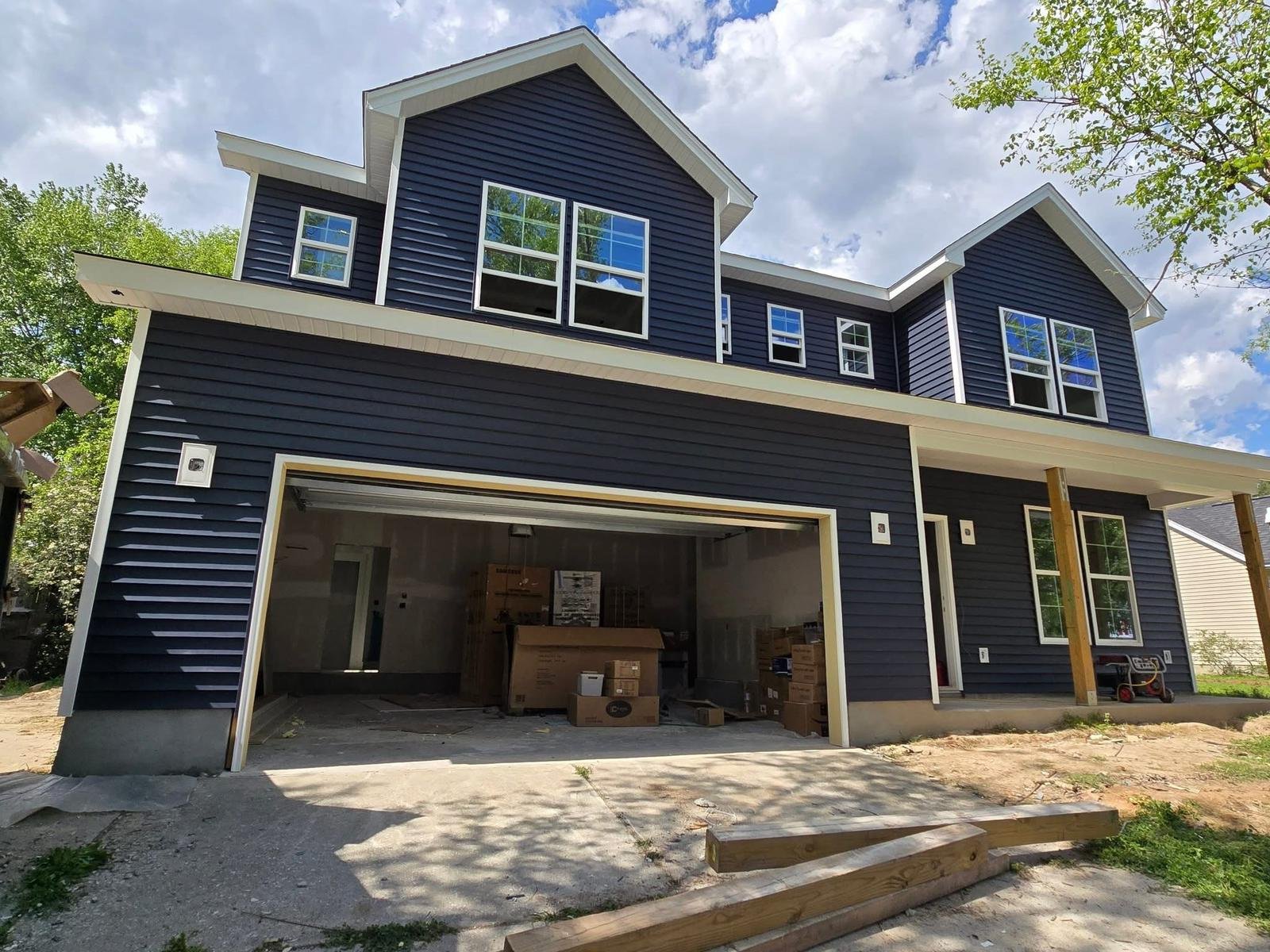
Imagine the home as a coat of armor. The roof is the helmet—sloped planes shedding snow, guarding against downpours. The siding is the cuirass—cladding walls with steel, wood, vinyl, or fiber cement. When these two elements work in harmony, they channel water away, block wind-driven rain, and keep interior humidity in check.
An effective roofing system may feature asphalt shingles rated for Class 4 impact resistance or premium metal roofing panels with concealed fasteners. The siding selection might include vinyl siding with integrated rain-screen technology or durable fiber cement siding that resists rot, insects, and fading. Flashing, underlayment, and waterproof barriers weave between them, sealing seams and reinforcing joints.
Benefits: Strength, Efficiency, Peace of Mind
When installed correctly, siding and roofing transform a home’s performance. Energy efficiency improves as air leaks close. Comfort rises as drafts disappear. Storm readiness becomes predictable rather than anxious. Contrast recent renovations in Manchester—where a homeowner swapped aged cedar shingles for architectural asphalt—and note the year-round savings on heating. Contrast a Bedford home that invested in fiber cement siding: no more yearly repainting, no more worries about moisture intrusion.
Security emerges from this synergy. A well-maintained envelope deters mold, limits structural decay, and upholds property values. It offers a sense of predictability in an unpredictable climate.
Outcome: A Resilient Home for New England Winters
Out of stormy nights and blistering winds, a peaceful home finds its rhythm again. Water beads off a newly sealed roof. Snow glides smoothly from a properly pitched slope. Rain-screen siding channels moisture away, never allowing it to linger beneath the surface. The result? A durable, energy-efficient, code-compliant envelope that stands firm through years of weather extremes.
For homeowners in Merrimack and Derry, investing in both roofing and siding upgrades means less worry when the next winter storm arrives. It means long-term durability, lower maintenance costs, and the quiet confidence that comes from knowing your home is ready for whatever New England skies deliver.
Frequently Asked Questions
What is the difference between roofing and siding?
Roofing covers the topmost surfaces of your home, shedding snow, ice, and rain. Siding wraps the walls, blocking wind-driven moisture and adding thermal insulation. Together, they form a continuous barrier—what we call the protective envelope.
How often should I inspect my roof and siding in New England?
Experts recommend biannual inspections: once in spring after winter’s thaw, and once in fall before freezing temperatures set in. After major storms—especially hail events—an additional check can catch damage before it worsens.
Which siding material is best for New Hampshire weather?
Vinyl siding with rain-screen backing offers affordability and moisture control. Fiber cement excels in durability and fire resistance. Choose based on your budget, desired texture, and long-term maintenance goals. Both materials perform well across Nashua, Manchester, and Salem climates.
What roofing codes apply in Massachusetts?
Massachusetts enforces building codes that specify wind uplift resistance, fire ratings, and minimum slopes. In many towns—Concord, Derry, Bedford—roofs must meet ASTM standards for impact resistance and use approved flashing details around chimneys and dormers.
How can I improve my home’s energy efficiency through siding and roofing?
Adding rigid foam insulation under siding, using reflective roofing underlayments, and selecting ENERGY STAR–rated shingles reduce thermal bridging and heat gain. Proper ventilation in the attic and drainage behind siding further stabilize indoor temperatures.
For homeowners in New Hampshire or Massachusetts looking to maintain a safe and reliable home exterior, the team at Revive Roofing & Siding remains available for guidance, inspections, and detailed evaluations.
Website: reviveroofingandsidingllc.com
Email: reviveroofingandsidingnh@gmail.com
Phone: +1 (603) 560-5309