
What It Is, When to Do It, Best Materials, and Real Costs
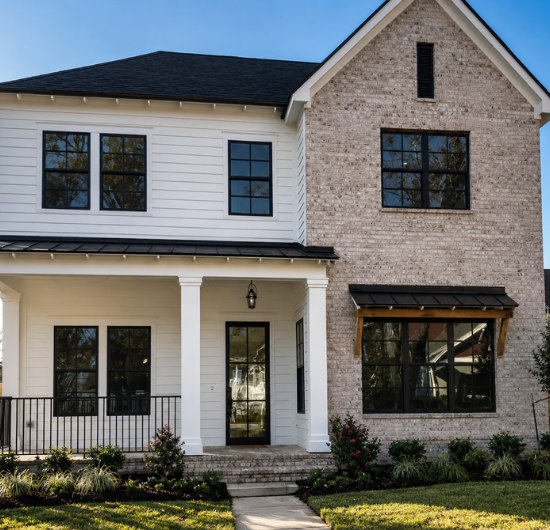
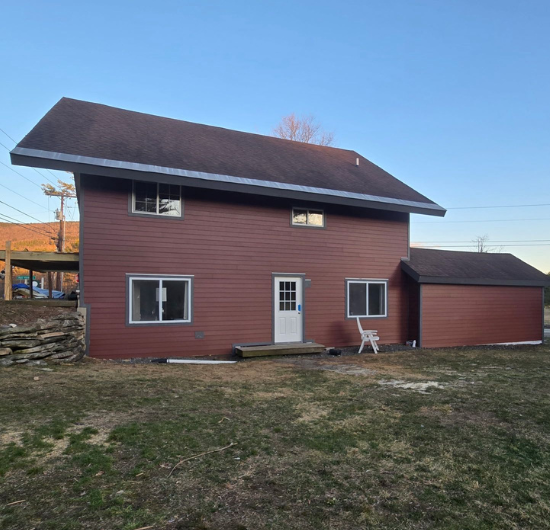
Siding isn’t “just cosmetic.” In New England weather, it’s the home’s weather shell—managing water, wind, freeze–thaw, and heat. When that shell fails (or underperforms), precise repairs or a system-level replacement protects structure, curb appeal, and resale value.
What “siding replacement” really means
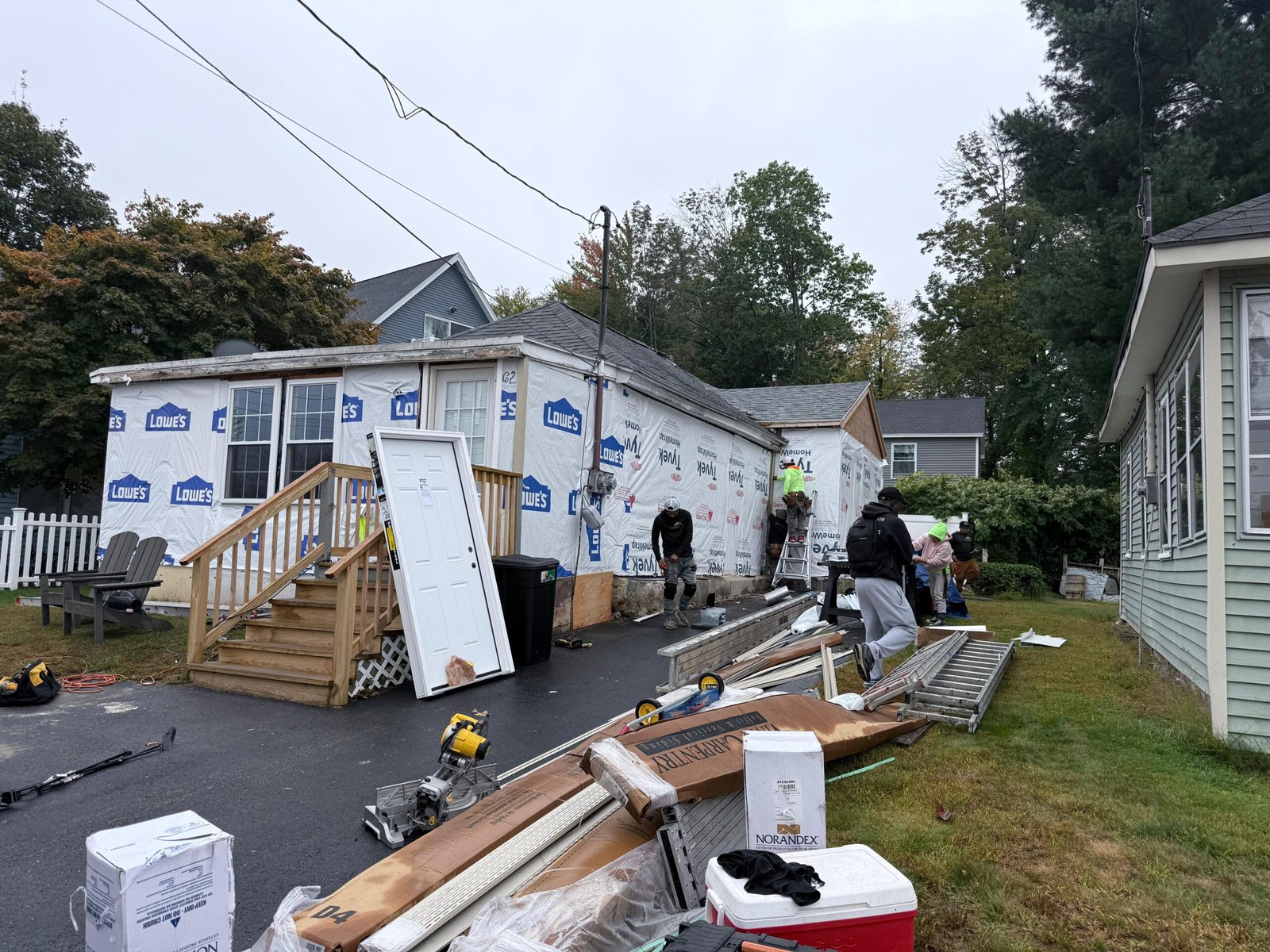
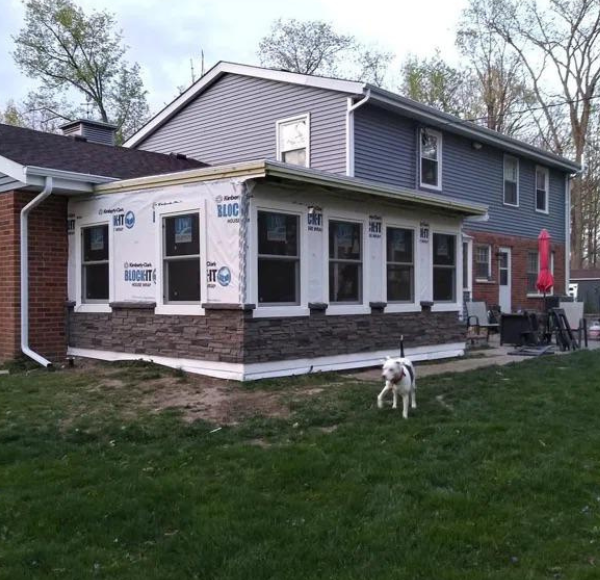
A proper re-side removes problem layers down to a sound substrate, then rebuilds a manufacturer-compliant wall system: weather-resistive barrier (housewrap), flashing at openings, starter/trim, and the cladding itself (vinyl, fiber-cement, engineered wood, etc.). Following maker specs (e.g., James Hardie and CertainTeed) is non-negotiable for performance and warranty.
Pro detail: for long-term durability in our climate, many pros add a rainscreen (a small, ventilated gap between siding and WRB) to promote drainage and drying—especially valuable on wind-driven rain façades.
Repair vs. full replacement: how to decide in NH
Choose targeted repairs when:
- Damage is isolated (a few cracked/loose courses, one leaky window flashing).
- Siding is relatively young and sound elsewhere.
Lean to replacement when:
- Failures are widespread (warping, chronic leaks, sheathing rot, systemic flashing errors).
- Large color-matching issues make spot fixes obvious (common with aging vinyl).
Our New England–proof process (step-by-step)
- Assessment & photos: map damage, moisture paths, and any sheathing/insulation issues.
- Scope & permitting: choose material, flashing approach, trims; verify local code.
- Prep & protection: housewrap integration, window/door flashing plan, landscaping protection.
- Selective tear-off & repairs: replace compromised sheathing; correct framing anomalies.
- Water management first: integrate WRB, pan/step/head flashings, and (where specified) a rainscreen.
- Cladding install to spec: correct clearances, fasteners, jointing/expansion, and trim details per manufacturer. (Example: fiber-cement and vinyl have different fastening and movement requirements.)
- Finish, clean, document: site magnets, debris removal, and warranty documentation.
Best-fit materials for southern NH & the MA border
- Vinyl siding (most common): cost-effective, wide style/color options, low routine maintenance. Requires correct nailing and expansion space; color matching can complicate repairs on older runs.
- Fiber-cement (e.g., James Hardie): wood-like look, excellent fire/pest resistance, strong warranties (30-year non-prorated substrate; 15-year finish on ColorPlus). Heavier install and precise clearances/flashings matter.
- Engineered wood (e.g., LP SmartSide): wood aesthetic with treated substrate; backed by 5/50-year limited warranty.
- Natural wood: classic New England look; highest maintenance; best longevity with meticulous detailing and finish cycles. (Many crews still add a rainscreen for drying.)
What siding repairs typically cost (2025)
- National repair average: around $917 (most fall $359–$1,496), varying by material, access, and extent. Angi
- Vinyl repair reference: roughly $2–$4 per sq. ft. for straightforward patches; color-match complexities can push costs higher.
Replacement costs in Southern NH & nearby MA (realistic ranges)
For apples-to-apples comparisons, the 2024 Cost vs. Value (New England) baseline uses 1,250 sq. ft. of siding area per project:
- Vinyl siding replacement (New England 2024): Job cost $18,714; resale value $21,680 (115.8% recoup).
- Fiber-cement replacement (New England 2024): Job cost $21,654; resale value $25,608 (118.3% recoup).
Using those regional baselines to size common projects in southern NH / MA border towns (linear approximation; actual quotes vary with trim packages, stories, gables/dormers, access, and sheathing repairs):
| Home size (siding area) | Vinyl (est.) | Fiber-Cement (est.) |
|---|---|---|
| Small (≈1,000–1,200 sq. ft.) | $15k–$18k | $17.3k–$20.8k |
| Medium (≈1,300–1,700 sq. ft.) | $19.5k–$25.5k | $22.5k–$29.4k |
| Large (≈1,800–2,400 sq. ft.) | $27k–$36k | $31.2k–$41.6k |
Source math: the New England 2024 CVV job costs equate to ≈$15/sq. ft. (vinyl) and ≈$17.3/sq. ft. (fiber-cement) on the 1,250-sq-ft baseline; we scaled from there to illustrate typical size bands.
FAQ for NH homeowners
Can I paint my existing vinyl instead of replacing it?
Yes—with proper prep and vinyl-safe coatings—painting can refresh appearance for a number of years; it won’t fix underlying water or substrate issues, and color choices can affect heat/warping and warranties.
Why do pros insist on manufacturer specs?
Vinyl and fiber-cement behave differently (movement, fasteners, clearances). Following the manual preserves performance and manufacturer warranty eligibility.
Is the rainscreen detail worth it here?
In our freeze–thaw, wind-driven rain climate, a ventilated drainage gap improves drying and reduces paint/finish stress on wood and fiber-cement—raising odds of a long, trouble-free service life.
Why homeowners on the NH/MA border choose Revive Roofing & Siding
- System-first craft: water management, flashing, and trims built before the pretty layer.
- Manufacturer-aligned installs: crews trained to install to James Hardie, CertainTeed, and LP SmartSidespecifications.
- Local accountability: serving Nashua, Manchester, Bedford, Merrimack, Londonderry, Hudson, Derry, Salem, Concord and nearby MA border communities with photo-documented scopes and clean jobsites.
- ROI awareness: we track Cost vs. Value numbers so you invest smartly for your property and market.
Contact & next steps
Website: reviveroofingandsidingllc.com
Email: reviveroofingandsidingnh@gmail.com
Phone: (603) 560-5309