When planning a home exterior upgrade, comparing James Hardie vs. LP SmartSide is an essential step for every practical homeowner. Choosing between the two dominant premium siding materials on the market is a significant financial decision. Evaluating James Hardie vs. LP SmartSide requires looking past promotional brochures to understand how these products behave under real-world conditions. Both brands offer exceptional alternatives to traditional vinyl, but they rely on entirely different manufacturing technologies. Selecting the wrong material or using an improper installation method can lead to premature degradation, moisture infiltration, and voided manufacturer warranties.
To make a logical investment that protects your property for decades, you must look closely at the structural science behind each product, their installation complexities, and how they handle long-term environmental stress.
Structural Analysis of James Hardie vs. LP SmartSide
To evaluate these products fairly, you must understand what they are made of, as their composition dictates how they react to physical impacts, seasonal heat, and intense moisture. A head-to-head breakdown of James Hardie vs. LP SmartSide reveals distinct chemical and structural differences.
James Hardie Fiber Cement Composition
James Hardie siding is manufactured from fiber cement, which is a specialized formulation of Portland cement, crystalline silica, sand, cellulose wood fibers, and water. During production, these ingredients are blended, molded, and subjected to high-pressure steam curing to create a dense, heavy board.
Because it is primarily a cementitious product, fiber cement is completely non-combustible and entirely immune to wood-boring insects, persistent woodpeckers, and rot. It is a rigid material that does not expand or contract significantly with temperature shifts, though it is heavy and brittle if mishandled prior to installation.
LP SmartSide Engineered Wood Technology
LP SmartSide is an engineered wood product. It is constructed from real wood strands that are thoroughly coated with water-resistant waxes, advanced exterior-grade polymer resins, and zinc borate, which is a natural mineral that deters fungal decay and termites. These treated wood strands are compressed under immense heat and pressure to create a highly dense substrate.
The exterior face is finished with a resin-saturated overlay that features a deeply embossed wood grain pattern. Unlike natural wood, the engineering process eliminates knots, grain directions, and structural weak points, resulting in a lightweight, highly flexible board that resists splitting.
Weather Performance: James Hardie vs. LP SmartSide
Both systems are engineered to outlast standard builder-grade vinyl, but they require different protocols to maintain their appearance and structural integrity over time.
Impact Resistance and Structural Strength
The inherent flexibility of engineered wood gives LP SmartSide a distinct technical advantage when resisting blunt force. The wood strand matrix naturally absorbs impacts from stones thrown by lawnmowers, large hail, or stray baseballs without cracking.
Fiber cement, being a rigid masonry-based product, is more susceptible to brittle fracturing under high-impact stress. While it is highly durable against structural wear, a severe direct impact can chip or crack the board, especially during freezing temperatures when the material is at its most rigid state.
Fire Resistance and Insect Protection
If fire safety is a primary consideration for your property, fiber cement holds a clear advantage when comparing James Hardie vs. LP SmartSide. James Hardie siding is classified as a Class A non-combustible material. It will not ignite when exposed to direct flame, nor will it act as fuel for a fire.
LP SmartSide is treated with flame retardants, but it remains a wood-based product. It carries a Class B fire rating, meaning it resists flame spread better than untreated lumber or vinyl, but it is technically combustible under intense heat. When it comes to pests, both products perform exceptionally well. The zinc borate treatment throughout the LP substrate makes it unpalatable to termites, while the cement composition of James Hardie provides no organic matter for insects or birds to destroy.
Paint Longevity and Refinishing Cycles
Neither product is entirely maintenance-free like vinyl, as both will eventually require repainting over a long timeline. James Hardie offers its ColorPlus Technology, a factory-applied baked-on finish that resists ultraviolet degradation. According to data from the Vinyl Siding Institute, choosing a factory-coated premium siding finish typically provides up to 15 years of performance before requiring a fresh coat of acrylic latex paint.
LP SmartSide features its ExpertFinish line, a factory-applied paint system backed by a limited warranty against peeling and fading. If you purchase either product in its primed-only state, the quality of the field-applied paint and the skill of the painter will dictate your future maintenance cycle, which usually averages 7 to 10 years.
How New Hampshire Weather Tests Your Siding Choice
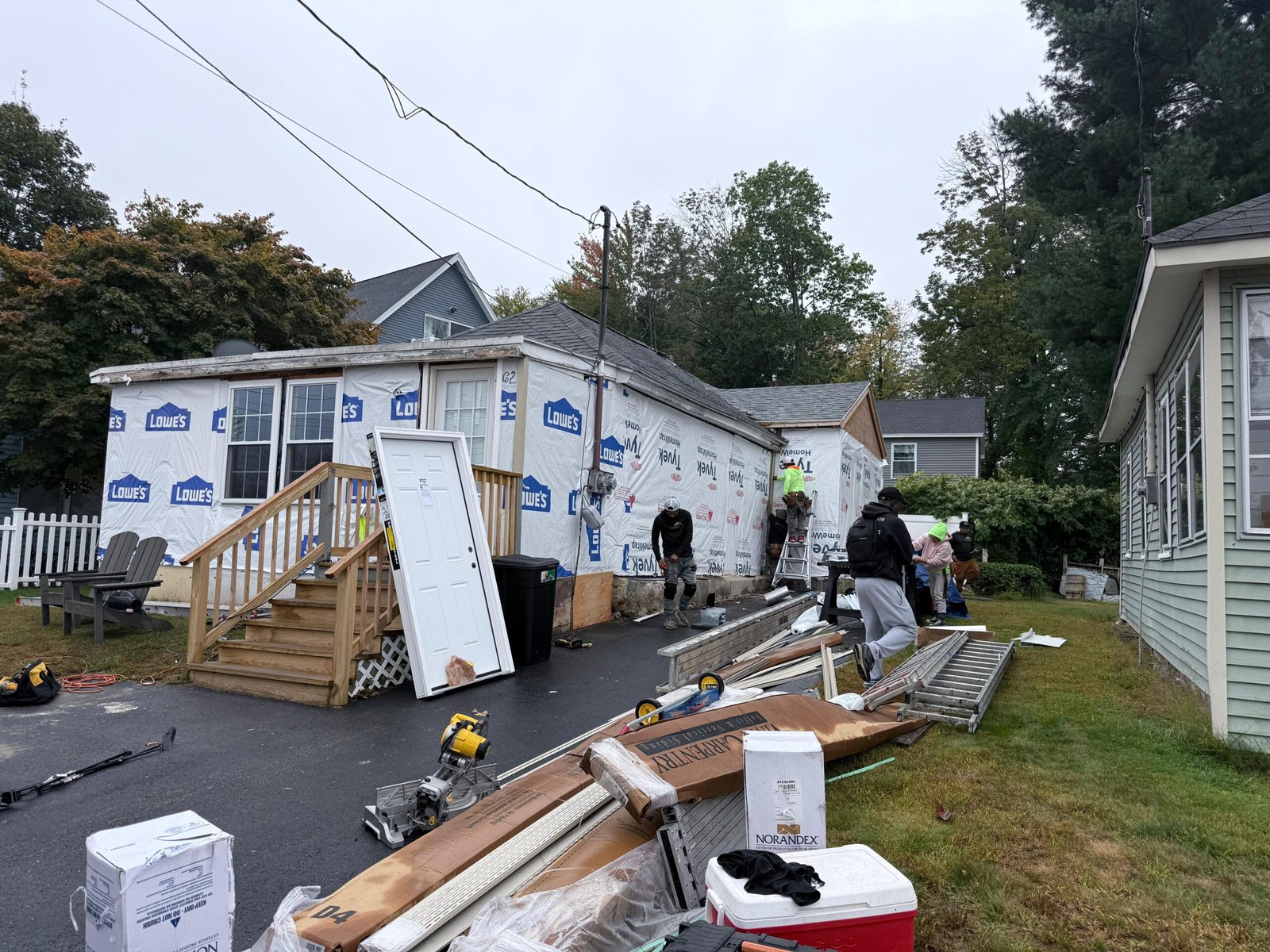
When exterior walls face a harsh winter, regional environmental factors become the ultimate test of durability. Homeowners in New Hampshire communities like Manchester, Nashua, and Concord must consider how these materials interact with localized weather anomalies. First-time buyers evaluating James Hardie vs. LP SmartSide in NH must account for the freeze-thaw cycles that characterize our climate.
During the winter, heavy snow accumulation results in deep snowbanks resting directly against the lower courses of a house. As these snowbanks slowly melt in the spring, the siding is subjected to prolonged, constant moisture exposure. With LP SmartSide, any cut ends made during installation that were not properly sealed with field paint will wick this moisture upward into the wood fibers, leading to edge swelling and checking.
With James Hardie fiber cement, moisture wicking is less destructive to the material itself, but the product must be installed with a mandatory clearance from the finished grade, usually 6 inches, and hard surfaces like steps or roofs, which require a 2-inch gap. If these clearances are ignored, water can freeze behind the boards, causing the fasteners to stress and the paint to peel away from the wet cement substrate. Furthermore, late autumn nor’easters bring severe wind-driven rain. Your chosen cladding must be perfectly integrated with a high-quality water-resistive barrier and flashing systems to ensure that water driving through the joints does not rot the underlying plywood decking.
Installation Rules for James Hardie vs. LP SmartSide
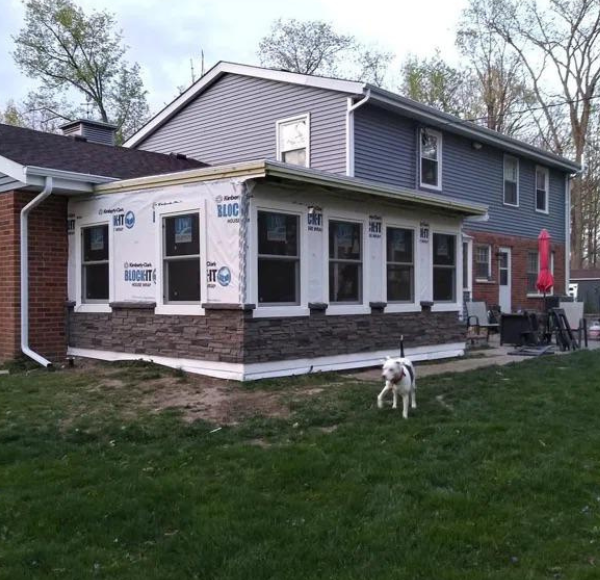
The longevity of your exterior relies heavily on compliance with manufacturer installation manuals. Both brands maintain strict installation guidelines that directly affect your long-term warranty coverage. When general contractors bypass these steps, the homeowner assumes all financial risk.
Installation Checklist for Homeowners
Before hiring an installer to execute a siding replacement project, verify that they follow these specific installation protocols:
- Blind Nailing Requirements: Ensure the installer uses code-approved, hot-dipped galvanized or stainless steel ring-shank nails placed precisely along the manufacturer installation line.
- LP Expansion Gaps: LP SmartSide requires a mandatory 3/16-inch expansion gap at all joints and trim intersections to allow the wood strands to naturally expand without buckling.
- Hardie Joint Flashing: James Hardie requires joints to be pinned together tightly with a joint flashing card placed directly behind the seam to shed water safely.
- Field-Cut Sealing: For engineered wood products, verify that every single board cut on-site is immediately treated with 100% acrylic latex primer or paint before it is nailed to the wall.
Evaluating the Warranties Logically
The warranties offered by these manufacturers have different structural terms. James Hardie provides a 30-year, non-prorated limited structural warranty on its substrate, meaning the coverage value does not diminish over time.
LP SmartSide offers a 5/50-year limited warranty according to structural documents on the official LP Building Solutions network. The first 5 years provide 100% labor and material replacement cost for defects, but from year 6 through year 50, the warranty proration reduces the coverage value by 2.2% each year. Reading these details logically allows you to understand your financial protection over a multi-decade timeline.
Selecting the Right Material for Your Property
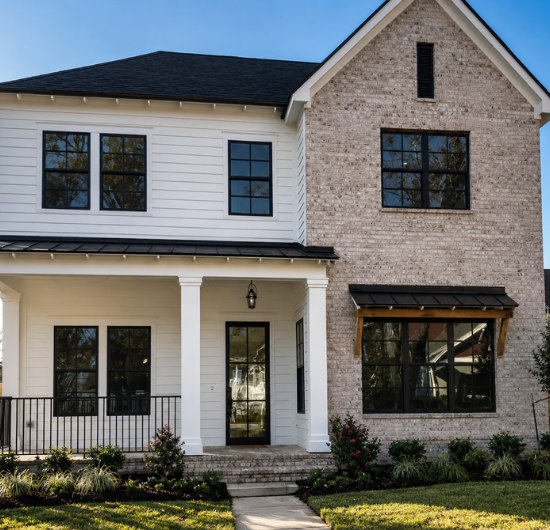
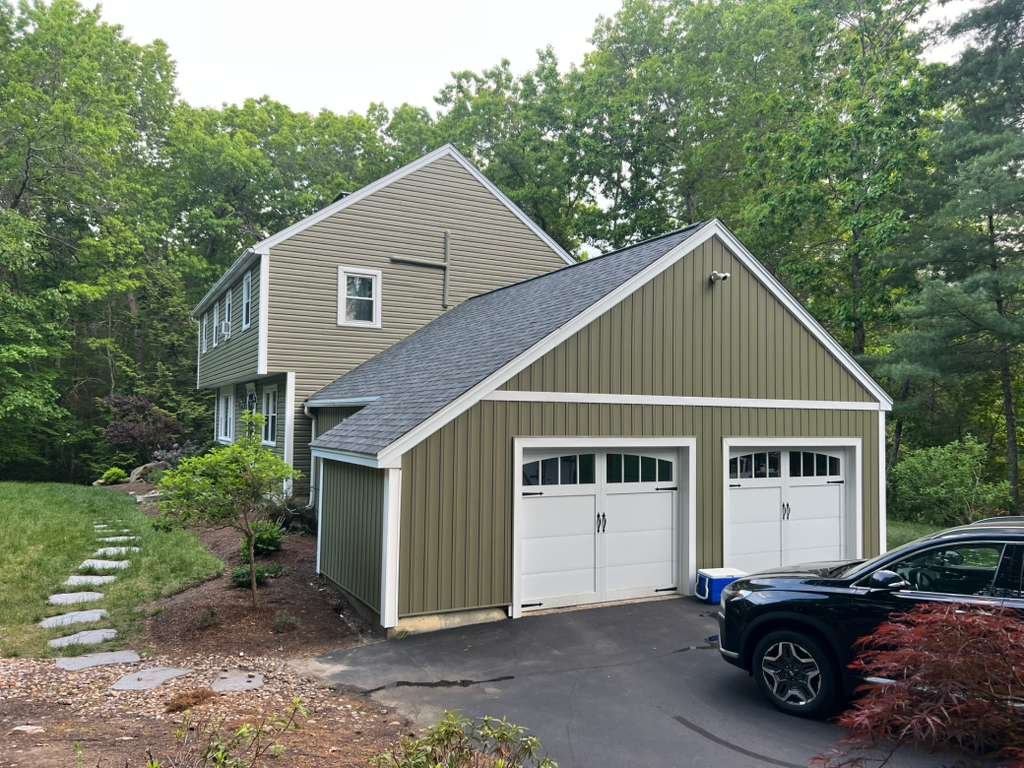
Your final choice between James Hardie vs. LP SmartSide should align with your specific property layout and long-term residency goals. If your home sits on a heavily wooded lot where falling tree branches or wind-blown debris are frequent risks, the high impact resistance of engineered wood makes it a highly logical choice. It offers the traditional warmth of wood with modern defense against decay.
Conversely, if your home is located in a densely populated neighborhood where fire resistance is a priority, or if you want a completely rot-proof material that will never swell regardless of snow exposure, fiber cement delivers superior performance. Ultimately, the best material will fail if it is installed by an uncertified crew who cuts corners on flashing, clearances, or fastening patterns. Prioritizing factory-certified contractors who hold advanced credentials from premier industry manufacturers ensures your investment is structurally sound and your product warranties remain completely valid.
Making the Right Choice for Your Home
Your roof and siding are your home’s first line of defense against the elements. Choosing a certified contractor ensures your material investment is installed to exact manufacturer specifications, protecting both your property and your structural warranties for decades.
At Revive Roofing & Siding LLC, we focus on building durable, weather-tough systems designed to protect homes across New Hampshire and Massachusetts. If you are searching for an exterior partner you can trust to deliver craftsmanship without sales pressure, we are here to help.
If you’re unsure about the condition of your roof or siding, Revive Roofing offers free, honest consultations for Southern NH homeowners.
- Call: (603) 560-5309
- Email: reviveroofingandsidingnh@gmail.com
- Visit: reviveroofingandsidingllc.com
- Address: 133 Eastern Ave, Manchester, NH
RESCREVER o ARTIGO. E aguardar o proximo Comando