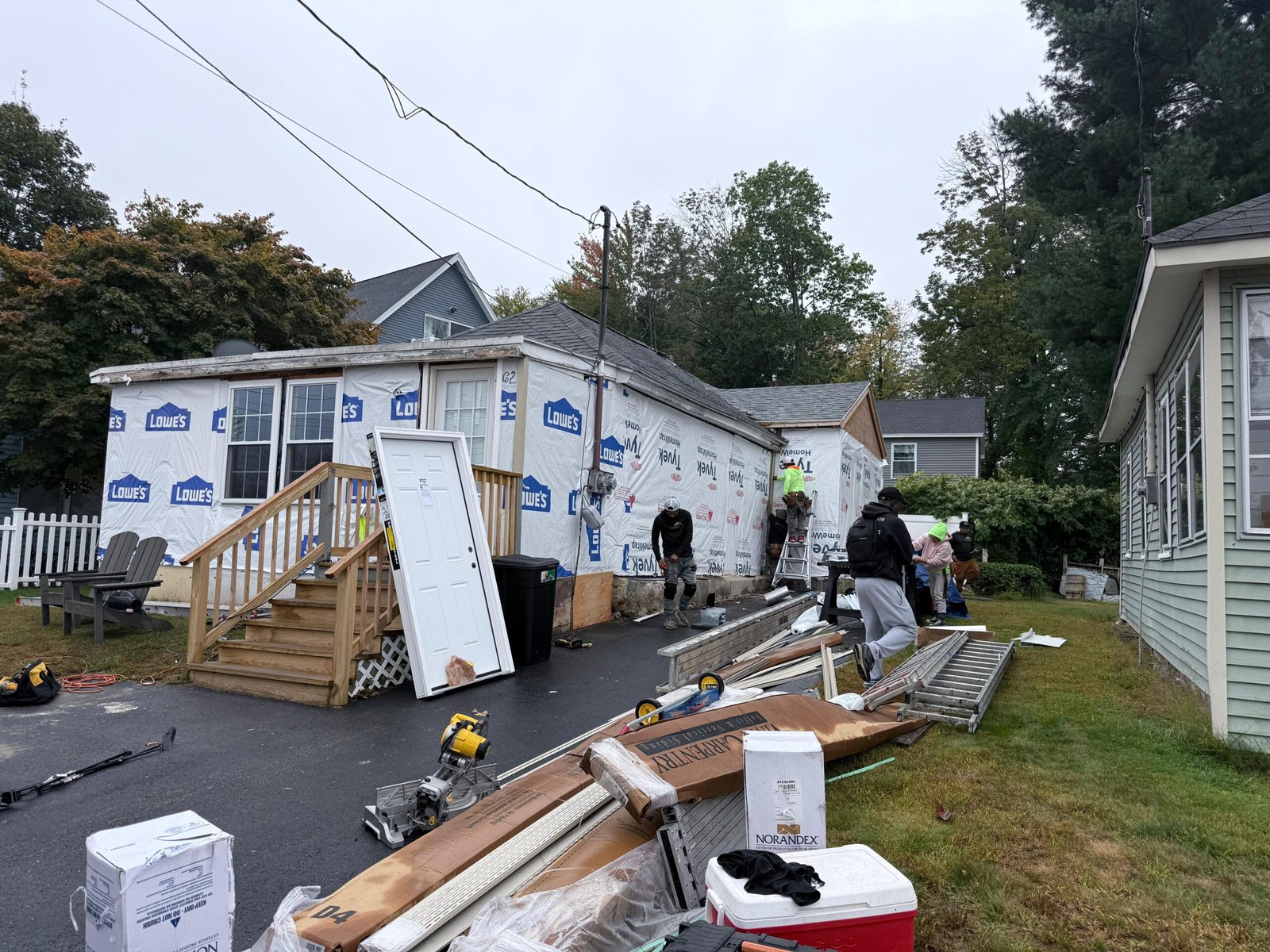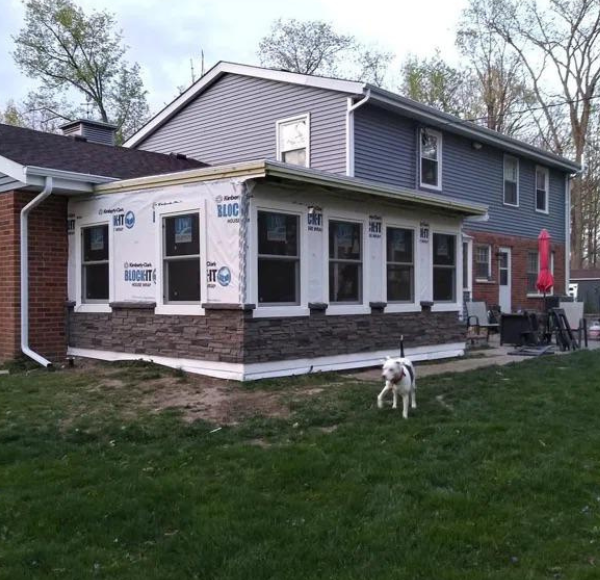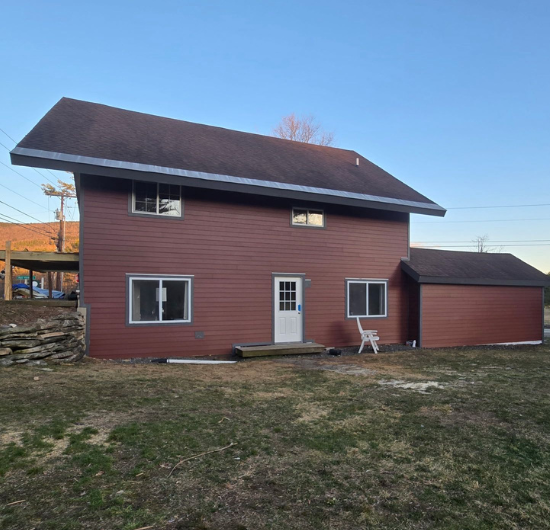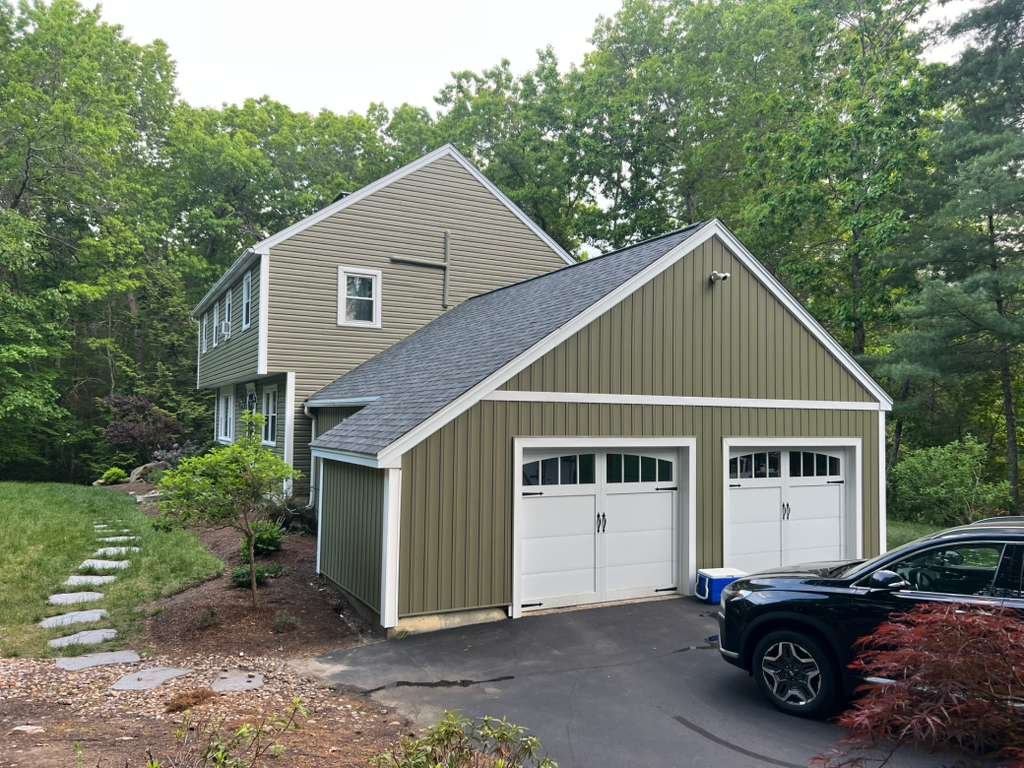
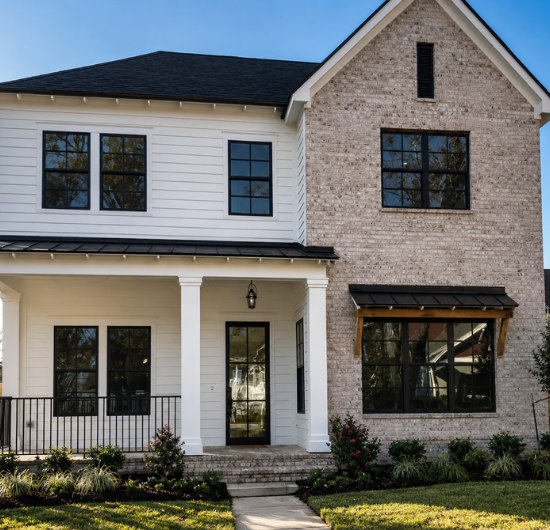
Upgrading a home exterior in New Hampshire involves far more than improving simple curb appeal. In New Hampshire and Northern Massachusetts, the outer envelope of your property serves as the primary line of defense against heavy snow, thermal ice dams, high winds, driving rain, ambient moisture, and continuous freeze-thaw cycles.
That is why upgrading your siding, structural trim, roofline, gutters, and perimeter protection systems is not just a basic cosmetic design decision. It is a calculated, long-term financial investment in the structural safety, market value, and physical durability of your asset. If you are currently planning a comprehensive renovation of your home exterior in New Hampshire, following these five smart structural steps will help you make logical, objective decisions before any construction begins.
1. Evaluate the True Structural Condition of Your Home Exterior in New Hampshire
Before finalizing physical material selections, color palettes, or modern siding styles, you must execute a comprehensive evaluation of the underlying building envelope.
Old or failing cladding frequently conceals deep moisture damage, rotted wall sheathing, loose perimeter flashing, restricted attic ventilation, and hidden entry points where water is already penetrating behind the thermal boundaries. What appears to be a minor cosmetic blemish can quickly escalate into an expensive structural restoration if overlooked.
A professional, detailed inspection of your home exterior in New Hampshire identifies exactly what sections require structural reinforcement, replacement, sealing, or mechanical upgrading before any new finishing layers are attached to the walls. For property owners living in Nashua, Manchester, Bedford, Merrimack, Concord, and the surrounding regions, starting with this diagnostic evaluation is critical because the coastal and continental weather shifts across New England expose systemic installation weaknesses incredibly fast.
2. Select Advanced Materials Engineered for Severe Weather
Not every residential siding product performs uniformly when subjected to the intense climates of the Northeast. Your outer walls must remain functional under heavy downpours, accumulating winter snow loads, ice sheet formations, summer humidity, intense ultraviolet exposure, and rapid shifting temperatures. This requires evaluating available choices based on factual durability, maintenance cycles, physical impact resistance, and multi-decade structural protection.
According to research guidelines published by the National Association of the Remodeling Industry, choosing certified weather-resistant cladding systems significantly upgrades:
- Structural Weather Resistance: Preventing wind uplift and water blowback during seasonal nor’easters.
- Thermal Energy Efficiency: Minimizing heat loss through framing members by reducing thermal bridging.
- Long-Term Moisture Protection: Creating a continuous barrier that sheds liquid water while allowing vapor transmission out of the wall cavity.
- Property Valuation: Ensuring high financial returns on investment during future real estate assessments.
- Reduced Lifecycle Maintenance Costs: Eliminating the requirement for frequent scraping, priming, and repainting.
The selection you make alters how successfully your structural framing withstands environmental deterioration over the next thirty years.
3. Prioritize Performance Systems Over Pure Aesthetics
Visual color integration is important for historical consistency, but structural performance dictates the actual lifespan of your property. While many homeowners initiate their renovation planning by discussing exterior paint tones, long-term satisfaction requires addressing the core functional components of a home exterior in New Hampshire:
- Does this specific material matrix prevent moisture absorption during prolonged contact with winter snowbanks?
- Will the fastening system tolerate sub-zero contraction without cracking or buckling?
- What are the exact manufacturer maintenance protocols required to preserve the material warranty?
- How effectively does this product integrate with existing window flashings, doors, and rooflines?
A resilient exterior renovation combines all of these independent elements into a unified system. Your primary cladding, fascia boards, soffit ventilation panels, custom trim boards, seamless gutter channels, doors, and windows must function as a single, fully integrated weather barrier. This systemic approach ensures your building looks pristine and performs correctly under severe environmental stress.
4. Establish a Clear Financial Budget and Timeline Early
A complete exterior transformation represents a significant financial commitment that requires careful pre-construction planning. Before signing an installation contract for an updated home exterior in New Hampshire, homeowners must review the complete, itemized scope of the proposed project. This detailed projection must account for raw material procurement, specialized labor, site preparation, old material disposal fees, structural repairs, custom trim configurations, and provisions for correcting hidden rot.
Receiving a comprehensive, fixed-price proposal eliminates unexpected financial updates midway through construction. Homeowners deserve direct, transparent communication before field crews arrive on-site. A professional contractor provides clear product alternatives, detailed execution steps, estimated construction timelines, and exact line-item inclusions. This eliminates vague estimates, ambiguous scopes, and unexpected end-of-project expenses.
5. Partner with a Certified Local Contractor Who Knows the Climate
The technical skill of the installation crew impacts the performance of the product just as much as the quality of the material itself. Even premium engineered wood or fiber cement systems will degrade prematurely if installed with incorrect techniques. Improper fastener depth, unsealed field cuts, inadequate expansion gaps, and poorly configured window flashing cards directly lead to localized leaking, structural warping, rot, and invalid manufacturer warranties.
A established local firm understands the unique environmental challenges that a home exterior in New Hampshire faces every single year, including late autumn nor’easters, heavy ice dams, severe wind gusts, driving rain, heavy snow accumulation, and substantial seasonal expansion cycles. Working with a fully licensed, insured, and manufacturer-certified local installation team protects your financial investment and ensures compliance with current local building codes.
Why a Full Exterior Renovation is a Logical Investment
Executing a well-planned exterior renovation completely alters the functional performance of your property. While it noticeably modernizes the architectural appearance of your home, its primary value lies in strengthening the structural defense of the building envelope.
Integrating modern siding, upgraded trim boards, seamless gutter networks, and weather-resistant house wraps seals your property against water intrusion for decades. For many residential property owners, the most significant outcome is long-term structural confidence. Knowing your foundation, walls, and rafters are completely protected against regional weather anomalies provides lasting certainty that your family and your financial investment remain secure.
Trust Revive Roofing & Siding
At Revive Roofing & Siding LLC, we help property owners protect and optimize their investments with professional roofing, structural siding replacements, seamless gutter systems, custom trim fabrication, and detailed exterior diagnostic inspections. We proudly serve residential clients across New Hampshire and adjacent Massachusetts regions, including Nashua, Manchester, Bedford, Merrimack, Hudson, Londonderry, Derry, Salem, and surrounding local communities.
Your property requires an exterior system engineered to handle New England weather without constant maintenance. Contact our team today to schedule an objective structural evaluation.
- Call: (603) 560-5309
- Email: reviveroofingandsidingnh@gmail.com
- Visit: reviveroofingandsidingllc.com
- Services: Siding Installation and Repair Options