If you are planning on buying a home in New Hampshire, the excitement of open houses, neighborhood tours, and interior design planning can easily overshadow critical structural assessments. Most buyers focus on aesthetic floor plans, updated kitchens, and modern bathroom fixtures. However, while interior cosmetics are highly visible, buying a home in New Hampshire requires a disciplined evaluation of the exterior building envelope—specifically the roof and siding—before signing the final closing paperwork.
The exterior systems of a property serve as its primary shield against severe weather. In the Northeast, these materials are subjected to intense thermal shifts, heavy snow accumulations, driving rain, and seasonal freeze-thaw cycles. Evaluating the structural integrity of the roof and siding before closing can save you from inheriting thousands of dollars in immediate, undocumented repair costs.
Structural Clues to Look For When Buying a Home in New Hampshire
A home’s exterior tells a clear story about how well the property has been maintained over the years. When evaluating a house, certain physical markers indicate whether the current owners prioritized proactive maintenance or deferred essential repairs.
+---------------------------------------------------------------------------------+
|                        EXTERIOR DIAGNOSTIC CHECKLIST                            |
+---------------------------------------------------------------------------------+
|  ROOF AGE & PLY      | Look for multiple layers of shingles or curling edges.  |
|  FLASHING INTEGRITY  | Inspect chimney and valley junctions for rust or gaps.   |
|  SIDING ALIGNMENT    | Search for buckled panels, wood rot, or soil contact.    |
|  VEGETATION PROXIMITY| Note branches touching the roof or vines on the siding.  |
+---------------------------------------------------------------------------------+
Reading the Roof: Critical Signs of Aging and Wear
The roof is one of the most expensive systems to replace on any residential property. When buying a home in New Hampshire, identifying these specific roof warning signs during your initial walkthrough is essential:
- Curling, Cupping, or Clawing Shingles: When asphalt shingles reach the end of their functional lifespan, they lose their structural flexibility. The edges curl upward or cup inward, leaving the underlying felt paper exposed to wind uplift and rain penetration.
- Granule Loss in the Gutters: Shingle granules protect the asphalt layer from damaging ultraviolet (UV) radiation. Excessive bald spots on shingles or piles of dark, sand-like granules in the gutter troughs indicate a highly weathered roof system.
- Multiple Layers of Shingles: Some homeowners save on installation costs by nailing a new layer of shingles directly over an old one. This practice traps heat, shortens the lifespan of the new shingles, and adds significant weight to the roof framing.
- Damaged or Missing Flashing: Flashing is the metal barrier installed in high-risk areas like valleys, dormers, and chimney bases. If the flashing is rusted, separated, or heavily sealed with cheap roof tar, water intrusion is highly likely.
Siding Secrets When Buying a Home in New Hampshire
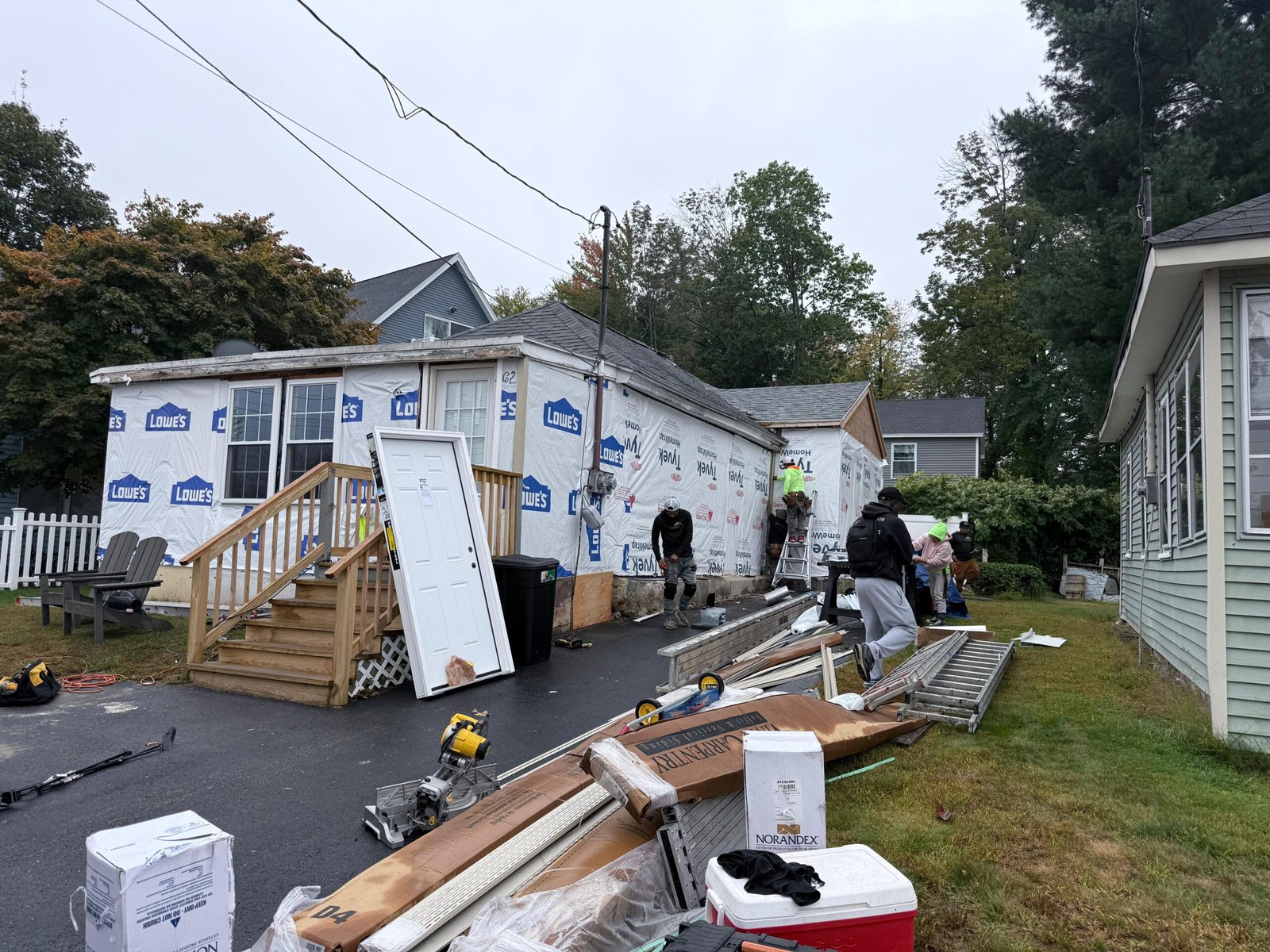
Siding choice dictates not only the aesthetic character of the house but also its long-term thermal efficiency and moisture resistance. Indeed, buying a home in New Hampshire means evaluating siding materials like vinyl, fiber cement, or wood under the lens of regional weather durability. Because siding is installed over a water-resistive barrier (house wrap) and plywood sheathing, surface damage often points to deeper structural problems.
According to home inspection guidelines from the International Association of Certified Home Inspectors, improper siding installation is one of the leading causes of hidden structural framing rot.
                  +-----------------------------------+
                  |      Siding Material Matrix       |
                  +-----------------------------------+
                                    |
            +-----------------------+-----------------------+
            |                                               |
  [ Vinyl Cladding ]                              [ Wood or Cement Siding ]
  - Check for buckling or warping                 - Inspect ground clearance
  - Look for loose or missing panels              - Check for peeling paint or rot
  - Verify weep holes are clear                   - Ensure caulked joints are sealed
If you notice warped wood siding, cracked fiber cement boards, or buckled vinyl panels, water may be penetrating the outer envelope. When water gets behind the siding, it feeds mold spores, degrades insulation, and rots the wood framing. If the siding has been in direct contact with the soil, it also creates an easy path for wood-destroying insects to enter the home.
The New England Climate Test: Ice Dams and Drainage
The realities of buying a home in New Hampshire mean preparing for winter weather anomalies. One of the most destructive winter issues is the formation of ice dams.
When analyzing a potential home’s exterior, inspect the gutter system and the attic ventilation setup. Look at the fascia boards directly behind the gutters. Dark water stains, peeling paint, or rotted wood in these areas suggest a history of ice damming. This indicates that the attic insulation or roof ventilation is poorly balanced, allowing warm air to melt snow on the roof, which then refreezes at the cold eaves.
Why Standard Home Inspections Can Miss Deep-Seated Issues
While a standard home inspector provides an excellent general assessment of the property, they are generalists by definition. They examine electrical panels, plumbing lines, foundation walls, and appliances all in a single visit.
A standard home inspection may not thoroughly evaluate specialized exterior systems. Many inspectors will not walk high, steep rooflines, inspect hidden flashing details, or calculate the exact attic ventilation ratio.
This is why buying a home in New Hampshire should always involve a specialized roof and siding inspection if the property is more than fifteen years old. A certified exterior professional can deploy advanced diagnostic techniques, such as moisture meters and high-resolution cameras, to identify structural issues before they become your financial responsibility.
| Exterior Inspection Point | Standard General Inspection | Specialized Exterior Inspection |
| Roof Evaluation | Ground or ladder-edge observation | Walking the roof, checking valley flashing |
| Siding Integrity | Visual check for obvious cracks | Checking structural clearances and moisture |
| Gutter Assessment | Verifying attachment and drainage | Inspecting fascia boards for rot and ice dam signs |
| Ventilation Math | Visual check of vents | Calculating intake vs. exhaust air balance |
Negotiation Leverage When Buying a Home in New Hampshire
Discovering that a property requires a new roof or siding does not mean you should walk away from the purchase. Identifying these structural vulnerabilities before closing provides crucial leverage when buying a home in New Hampshire.
If a certified contractor provides an official estimate for an exterior replacement or major repair, you can use this documentation to negotiate with the seller. Depending on your contract terms, you may be able to request:
- A direct price reduction on the purchase price of the home.
- Seller concessions at closing to cover your future repair costs.
- A complete replacement executed by a licensed, manufacturer-certified contractor prior to the closing date.
Using actual contractor estimates prevents the seller from dismissing your concerns or offering a generalized credit that fails to cover the real cost of the required work.
A Smart Decision When Buying a Home in New Hampshire
Ultimately, buying a home in New Hampshire represents a significant financial commitment. Ensuring that your potential new home has a sound, weather-tight roof and functional siding protects both your family and your long-term investment.
At Revive Roofing & Siding LLC, we focus on assisting buyers with objective, highly detailed exterior evaluations. Our team has decades of local experience designing and building roof, siding, and gutter systems that successfully withstand the New England climate. If you are under contract on a property and want an honest, technical assessment of its exterior before closing, we are here to provide clear facts without sales pressure.
If you decide to proceed with the purchase and require professional upgrades, you can read more about our siding installation and repair options to see how we restore and protect local properties.
Contact us today to discuss your prospective home’s exterior health:
- Call: (603) 560-5309
- Email: reviveroofingandsidingnh@gmail.com
- Visit: reviveroofingandsidingllc.com