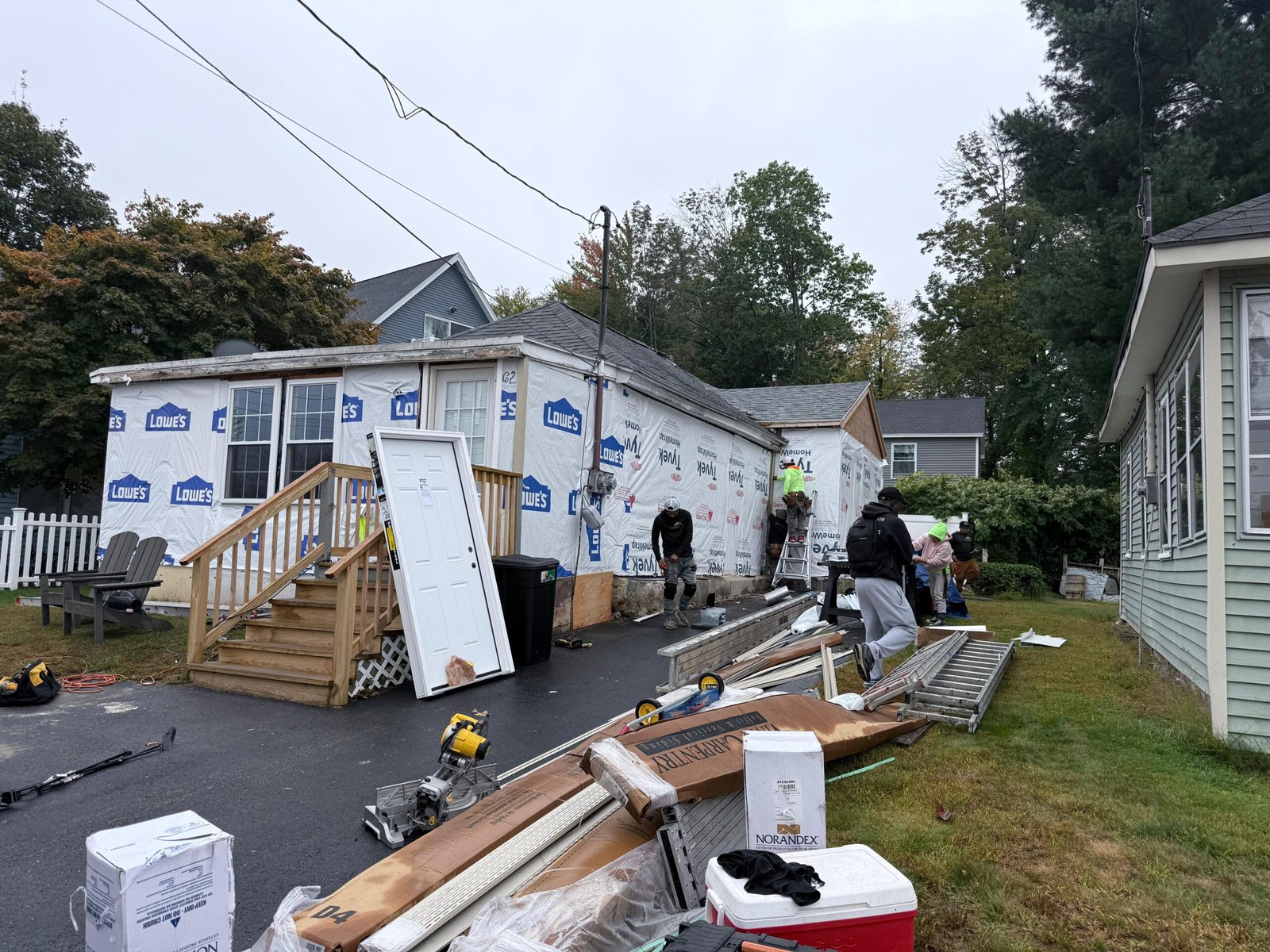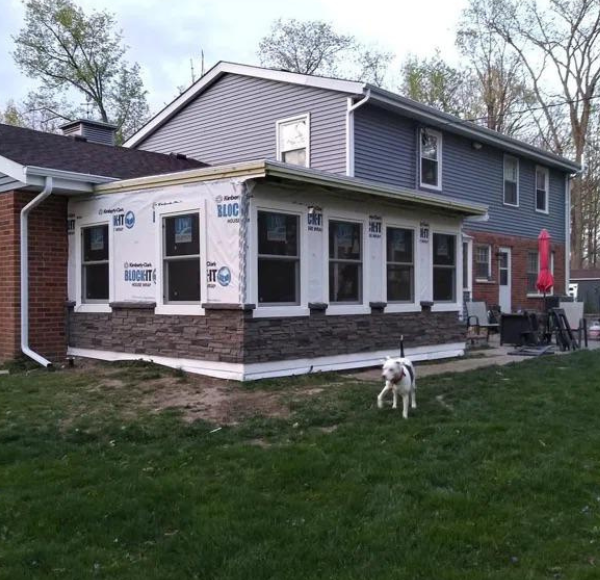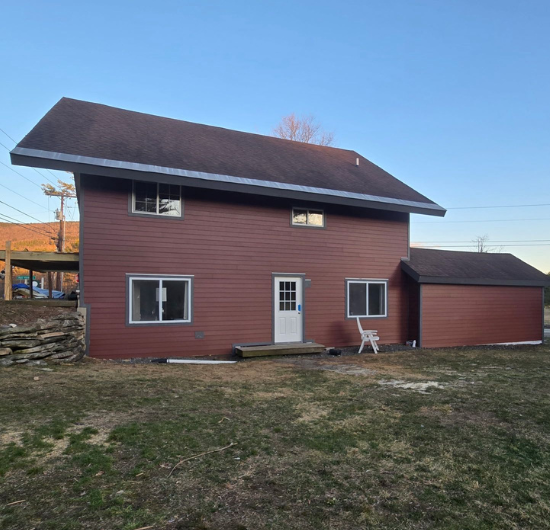

Replacing the siding on a New England home isn’t just a weekend project. It’s a choice that balances ambition, weather, budget, and long-term durability. For homeowners in Nashua, Manchester, Bedford, Merrimack, Londonderry, Hudson, Derry, Salem, and Concord, understanding when DIY works—and when it becomes costly—starts with a clear-eyed look at the problem.
Problem: Weather-Beaten Siding and Aging Exteriors
Nor’easters, freeze-thaw cycles, ice dams, and salt-laden winds conspire against every façade from the granite streets of Concord to the riverbanks of Merrimack. Over decades, siding weathers, trim rots, and the outer shield of your home weakens. The question arises: Can you replace siding yourself before the next blizzard arrives?
Impact: When Inexperience Meets Elemental Forces
Wrong cuts, improper nailing, missing moisture barrier or badly installed flashing can let rainwater and snowmelt seep behind the cladding. The result? Mold, wood rot, drafts, elevated heating bills—and a sense of regret. In Bedford or Salem, permit requirements add another layer of risk. A small misstep can cascade into structure damage and code violations.
Mechanism: The Anatomy of a Siding Replacement
Siding replacement is more than swapping out panels. It’s a system:
- Demolition: Careful removal of old vinyl or fiber cement.
- Inspection: Examining sheathing, studs, and insulation for moisture damage.
- Protection: Installing or repairing the moisture barrier and house wrap.
- Framing Corrections: Repairing or sistering rotten studs.
- Installation: Aligning starter strips, cutting panels, securing with corrosion-resistant nails.
- Detailing: Flashing around windows, doors, and corners to channel water away.
- Trim and Finish: Attaching trim boards, caulking joints, and painting if needed.
Skipping any step risks performance. In Hudson’s nor’easter season, that shortcut can spell trouble.
Benefits: When DIY Truly Pays Off
When the project scope is modest—say, replacing a single gable end or patching siding near an entryway—DIY can save up to 30% on labor costs. Vinyl siding, with simple overlap installation, and well-documented instructions from manufacturers can empower a confident weekend warrior. You learn the intricacies of your home’s insulation, curb appeal, and energy efficiency. You gain the satisfaction of transformation.
And yet, predictability matters. A clear plan, proper tools—circular saw with fiber cement blade, level, siding removal tool—and an understanding of local building codes in Manchester or Londonderry turn that plan into reality.
Outcome: Balancing Cost, Time, and Security
Contrast the homeowner who starts with confidence but underestimates hidden rot, and the one who consults an expert before swinging a hammer. The first faces surprise expenses. The second secures predictability, a schedule, and warranty. Security emerges not just from cost savings but from knowing your home’s shield is solid.
When you weigh the ambition of a DIY approach against the endurance of a professional installation, remember: siding is the armor of your home. Armor that must stand up to New England’s extremes.
FAQ
Can I replace all the siding on my 1980s ranch home by myself?
Potentially—if you have carpentry experience, proper tools, and at least one helper. A single-story ranch often has fewer angles, but check for hidden rot in sheathing and framing. In Merrimack or Bedford, verify permit rules before you begin.
Which siding material is easiest for a DIY project?
Vinyl siding typically offers the most straightforward installation, thanks to lightweight panels and snap-together design. Fiber cement demands precise cutting, heavy lifting, and corrosive-resistant fasteners, raising the technical bar.
How do I know if I need a permit in Salem or Derry?
Most municipalities require a permit for full re-siding projects. Minor repairs often do not. Contact your local building department or review town codes online. A permit ensures inspections that protect your investment.
What unexpected challenges might I face during siding removal?
You might uncover water-damaged sheathing, mold, or inadequate insulation. You may find custom trim profiles or multiple layers of old siding. Each complication adds labor time and materials.
How can I improve energy efficiency when replacing siding?
Install exterior foam insulation board beneath siding, upgrade to insulated vinyl panels, and seal all joints and penetrations. Proper flashing around windows and doors prevents air infiltration, reducing heating costs during New Hampshire winters.
When is it time to call a professional?
If more than 20% of your siding requires full panel replacement, if structural rot exists, or if your roofline has complex angles, professional expertise ensures lasting results and compliance with local codes in Nashua, Manchester, or Concord.
For homeowners in New Hampshire or Massachusetts looking to maintain a safe and reliable home exterior, the team at Revive Roofing & Siding remains available for guidance, inspections, and detailed evaluations.
Website: reviveroofingandsidingllc.com
Email: reviveroofingandsidingnh@gmail.com
Phone: +1 (603) 560-5309