In New England, where nor’easters howl and ice clings to rooftops, homeowners from Nashua to Salem know that an aging exterior can feel like a cracked shield against relentless winters. When wood siding warps and paint peels, the question arises: Could the very material that tops our homes become their new armor?
Problem: Aging Exteriors Facing Harsh Winters
Homeowners in Manchester or Bedford often watch weekend projects multiply. Loose boards, rotted seams, drafty walls—each symptom a reminder that traditional siding struggles under heavy snow, driving rain and temperature swings. The texture of an old clapboard home becomes a ticking clock, counting down to leaks, drafts and costly repairs.
Impact: Maintenance Costs, Energy Waste and Storm Vulnerability
The impact is more than cosmetic. Rising energy bills. Interrupted comfort when gusts penetrate thin walls. Structural concerns when water seeps beneath shingles. In Merrimack or Londonderry, a single ice dam can lead to weeks of moisture damage. Homeowners trade weekends for caulk guns and ladders—time that could be spent indoors, warm and worry-free.
Mechanism: Steel Roofing Panels Reimagined as Siding
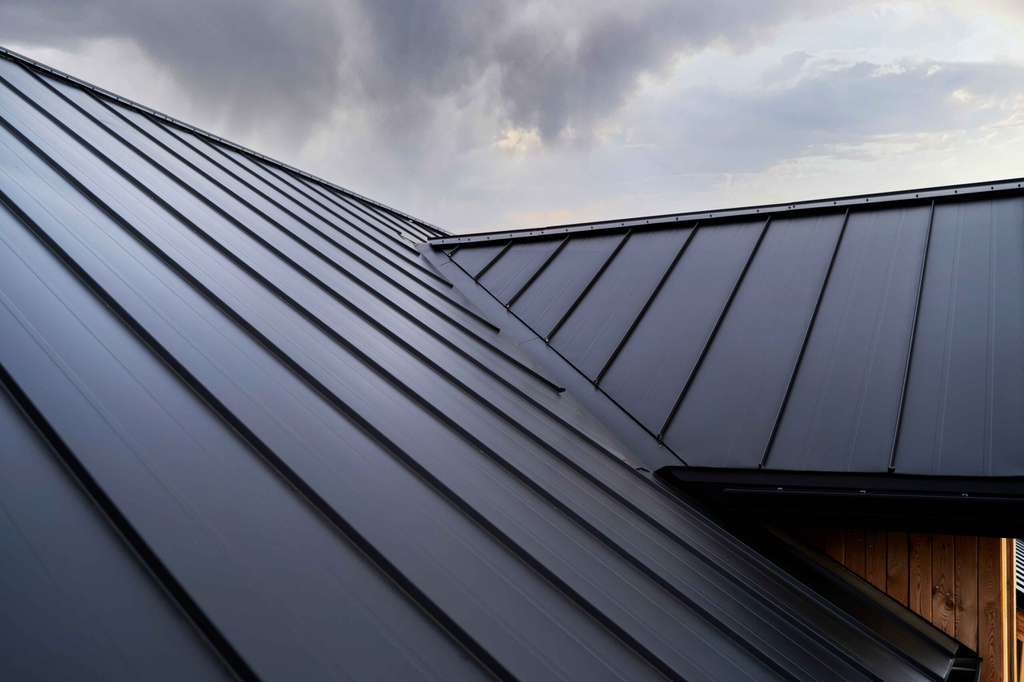
Imagine taking the very panels designed to shed snow and rain—corrugated or standing-seam steel—and fastening them vertically to your exterior walls. Anchored over a weather-resistant barrier, insulated with rigid foam, and coated with a factory-applied finish, this steel siding system forms a rigid envelope. Rain beads and shears off like water off a duck’s back. Snow slides away, unhurried but unstoppable.
With a gauge between 24 and 29, and galvanized or galvalume substrates, the material resists impact, hail and wind uplift up to 140 mph. Thermal breaks and furring strips create an air gap, minimizing thermal bridging and condensation risk.
Benefits of Steel Siding in Cold Climates
Steel siding stands for durability. Steel siding stands for energy efficiency. Steel siding stands for security. In Derry or Hudson, it reduces air infiltration by up to 30%, cutting heating costs when wind chills dip below zero. Its finish resists chalking and fading. Its interlocking panels form a continuous seal against storms. It demands a quick wash once a year, not repainting every half-decade. The payoff? Long-term savings, fewer surprises, and a home exterior that feels as solid as bedrock.
Considerations and Potential Drawbacks
No solution is without nuance. Contraction and expansion can whisper through seams when temperatures swing from single digits to the high forties. Condensation management must be detailed in the installation plan. A salted driveway splash can threaten raw edges—so rust prevention is a key specification, along with galvanized fasteners and end-seal trims. A crisp modern profile may contrast sharply with historic New England charm, so homeowners in Concord or Salem might need a design consultation.
Installation complexity can nudge upfront costs above vinyl or engineered wood, but that investment often balances out over decades of performance.
Outcome: A Resilient Exterior for New England Homes
When the first flakes fall or nor’easter winds rise, a steel-clad home in Nashua or Merrimack whispers confidence. The walls stand firm. The interior remains quiet and warm. Fading memories of cracked siding give way to a new rhythm—predictable, secure, reassuring. What began as a problem ends as a transformation: a home that weathers storms with steadfast grace.
FAQ
Can steel roofing panels withstand extreme snow loads in Concord or Derry?
Yes. When specified at 24-gauge or heavier and installed with proper snow guards, steel panels can manage snow loads exceeding 30 psf, typical in northern New England.
How does steel siding compare to vinyl or wood in terms of energy efficiency?
Steel siding, combined with rigid insulation and an air gap, can reduce thermal bridging by up to 40% compared to direct-stick vinyl, improving overall R-value and lowering heating demand.
Is condensation a concern when using steel roofing as siding in Hudson?
Properly detailed vapor barriers, continuous airflow behind panels and thermal breaks prevent condensation. An experienced installer in Hudson will ensure all layers perform in harmony.
What maintenance is required to prevent rust in Bedford or Merrimack?
Annual rinsing to remove road salt, inspection of touch-up paint at cut edges, and prompt replacement of any damaged fasteners keep corrosion at bay for decades.
What is the typical installation cost for steel siding on a home in Londonderry or Salem?
Costs range from $8 to $12 per square foot, depending on panel profile, gauge, insulation and labor rates. In many cases, energy savings and reduced upkeep recoup the premium within 10–15 years.
For homeowners in New Hampshire or Massachusetts looking to maintain a safe and reliable home exterior, the team at Revive Roofing & Siding remains available for guidance, inspections, and detailed evaluations.
Website: reviveroofingandsidingllc.com
Email: reviveroofingandsidingnh@gmail.com
Phone: +1 (603) 560-5309